Selecting a software team to build your product isn’t just another item on a task list; it often determines whether your project thrives or stalls. The choice you make early on affects everything down the line, including your budget, release dates, app security, and how easily you can scale up later.
Over the past two decades, India has turned into a major hub for software engineering. You can find developers specializing in almost everything here, from native iOS and Android apps to cross-platform tools, cloud infrastructure, and AI systems. But having so many choices brings a real challenge: how do you sift through endless options to find an engineering team that actually delivers?
Evaluating a mobile app development company in India takes a lot more than skimming through shiny portfolio slides or automatically picking the team with the lowest estimate. This guide breaks down a practical, step-by-step way to look at prospective partners and protect your project from unnecessary risk.
Phase 1: Preparing Your Internal App Requirements
Getting clear on what you actually want internally before reaching out to vendors saves a massive amount of hassle. Approaching software teams with vague ideas almost always leads to wild price quotes, mismatched timelines, and costly redesigns mid-build.
Building a Product Scope Document
A solid product brief acts as a grounding anchor for every proposal you receive. Before setting up introductory calls, lay out these key points:
Target User Profile
Spell out who will actually download the app and what specific pain points the software solves for them day-to-day.
Platform Preference
Decide early on whether you want to launch solely on iOS, stick strictly to Android, or target both platforms at once using cross-platform code.
Essential Feature List
Separate your absolute must-haves for an initial launch from secondary ideas that can wait for future updates.
Technical Specifications
List any existing backend setups, internal databases, or third-party tools your new application needs to connect with.
Design Expectations
Gather rough wireframes, initial sketches, or examples of existing apps whose user experience and layout feel close to what you want.
Phase 2: Shortlisting and Initial Vetting
After settling your internal specs, start pulling together a list of candidate agencies. Your goal here is simple: take a bloated list of options and trim it down to 3–5 solid teams worth interviewing.
Where to Spot Good Development Teams
- Review Sites: Check places like Clutch or GoodFirms. Look past the star ratings and read the actual written feedback to see how they handle hiccups and deadline pressure.
- Your Own Network: Ask other founders, product managers, or tech leads who they’ve used. Word-of-mouth referrals usually save you from bad hires faster than online searches.
- Technical Communities: Peek at platforms like GitHub or Behance. Checking real code repositories and active design files shows you what their engineers actually push out day-to-day.
Quick Rules for Your First Filter
Cut out weak candidates fast by checking four basic things:
- Relevant Niche Work: Have they actually shipped apps in your industry, or at least tackled similar backend puzzles before?
- Working App Store Links: Download a few apps from their portfolio onto your phone. Are they live, responsive, and getting good user reviews, or are they buggy and abandoned?
- In-House Staffing: Make sure they employ actual full-time developers, QA testers, and PMs. Agencies that sub-contract everything out to random freelancers end up playing phone tag when things break.
- Repeat Clients: Look for teams that hold onto clients for multiple years. It usually means their code is clean enough for long-term maintenance and they don’t just dump projects after launch.
Phase 3: Technical and Operational Assessment
After trimming down your list, jump into technical discussions to see how each agency builds and tests software behind closed doors.
Vetting a mobile app development company in India means digging into their day-to-day coding standards rather than relying on sales presentations. Ask direct questions about their internal workflows to see how disciplined they really are:
Key Technical Criteria
Code Ownership and Repositories
Confirm right out of the gate that all written code lives in a private code repository you control, with full intellectual ownership handed over as work is completed.
Automated Testing Routines
Ask about their quality assurance process. Dependable engineering teams combine automated unit and integration tests with manual checks so bugs get caught long before code reaches live users.
Deployment and DevOps Infrastructure
Find out how they deploy builds. Automated setup pipelines keep code clean and prevent manual mistakes during app releases.
Phase 4: Evaluating Engagement and Pricing Models
Different projects require different contract setups. Picking the wrong setup often leads to budget headaches, awkward miscommunications, or zero flexibility when priorities shift.
Common Engagement Frameworks
Fixed Price Model
- Best Used For: Small MVP builds with rigid, crystal-clear specs that won’t change.
- Budget Flexibility: Rigid, with total costs set upfront.
- Scope Adjustments: Tough to modify, requiring extra paperwork and change orders for minor tweaks.
- Client Involvement: Requires minimal daily oversight once work begins.
Time and Materials (T&M) Model
- Best Used For: Medium to large applications where features evolve over time.
- Budget Flexibility: Fluid, calculated directly from real hours worked.
- Scope Adjustments: Super flexible, letting you adjust tasks and priorities whenever needed.
- Client Involvement: Calls for regular, hands-on input throughout the project.
Dedicated Development Team
- Best Used For: Ongoing, long-term software needs that require dedicated engineering horsepower.
- Budget Flexibility: Consistent and predictable monthly costs tied to individual developer roles.
- Scope Adjustments: Completely adaptable as your overall product roadmap shifts.
- Client Involvement: High, with developers integrating straight into your internal workflow.
How to Analyze Vendor Proposals
When looking over quotes from a mobile app development company in India, look deeper than the final total. Ask for detailed breakdowns showing estimated hours, individual hourly rates, infrastructure fees, and design time.
Phase 5: Communication and Time-Zone Alignment
Strong coding abilities won’t save a project if poor communication leads to missed deadlines, misunderstood features, or ignored bugs.
Structuring Time-Zone Differences
A large time-zone gap works smoothly when you set up intentional habits. Schedule a steady one-to-two-hour daily window where both teams sit down for quick check-ins and updates. Use clear written notes for everything else so tasks keep moving during off-hours.
Core Communication Protocols
Verify that your vendor uses standard, organized collaboration tools every day:
- Task Management: Boards to track feature progress, individual tasks, and upcoming milestones clearly.
- Real-Time Chat: Organized chat channels for quick daily questions and team updates.
- Design Collaboration: Shared design spaces where you can click through early prototypes and leave layout notes.
- Documentation: Central knowledge hubs to store technical notes, API details, and product requirements.
Phase 6: Security and Compliance
Protecting your company’s data and trade secrets needs to stay front and center throughout the entire hiring journey.
Essential Legal Protections
Never share detailed product blueprints or sensitive internal data without getting three core legal documents signed first:
Non-Disclosure Agreement (NDA)
A standard legal agreement that protects your ideas and customer details from being shared elsewhere.
Explicit IP Assignment Clause
Contract terms stating clearly that every line of code, design element, wireframe, and piece of product data belongs entirely to your business.
Detailed Master Services Agreement (MSA)
The main contract governing payment schedules, dispute processes, rules for ending contracts, and post-launch bug warranty terms.
Conclusion
Finding a great software partner really comes down to three things: solid technical skills, open communication, and fair pricing. Taking the time to properly vet candidate teams saves you from massive headaches down the road and keeps your launch on track.
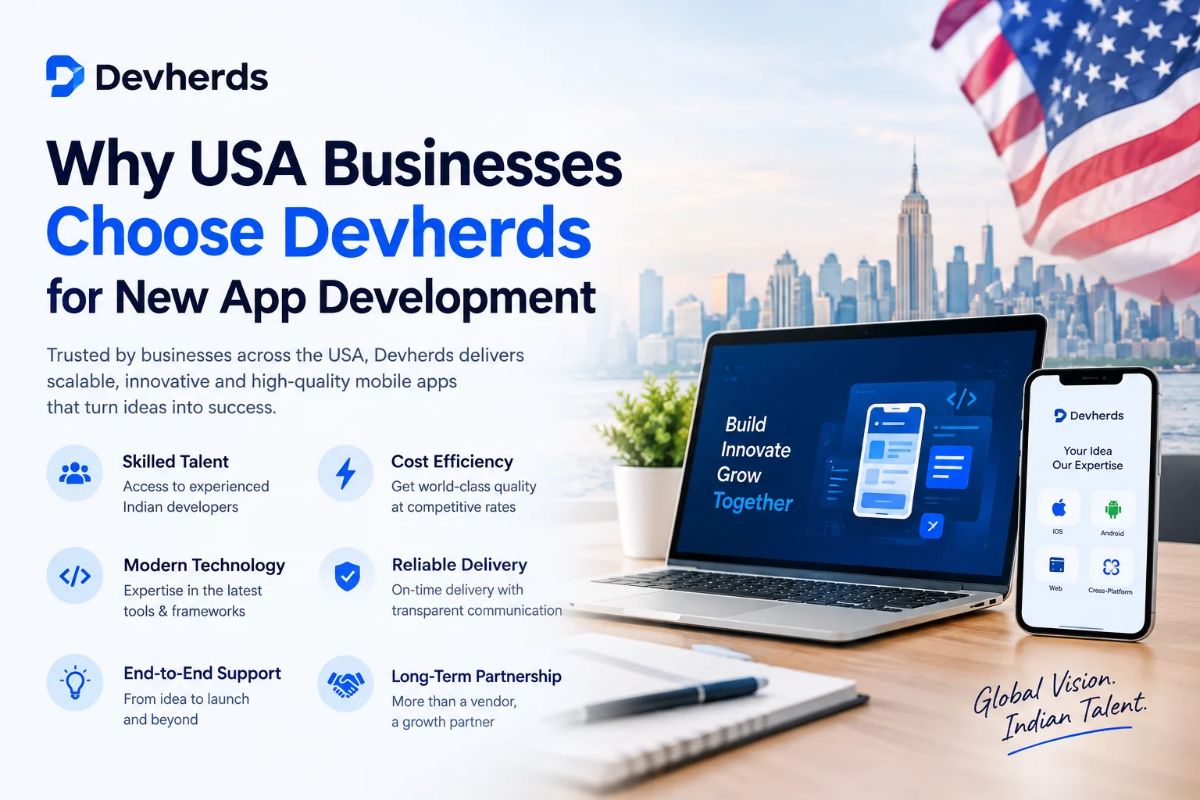
If you need a reliable team to build your app, Devherds can help turn your idea into reality. Our engineers design and build clean, dependable mobile apps fitted directly to your business goals, backed by flexible setups and straightforward ongoing support. Reach out to us to talk through your project and get a custom quote.