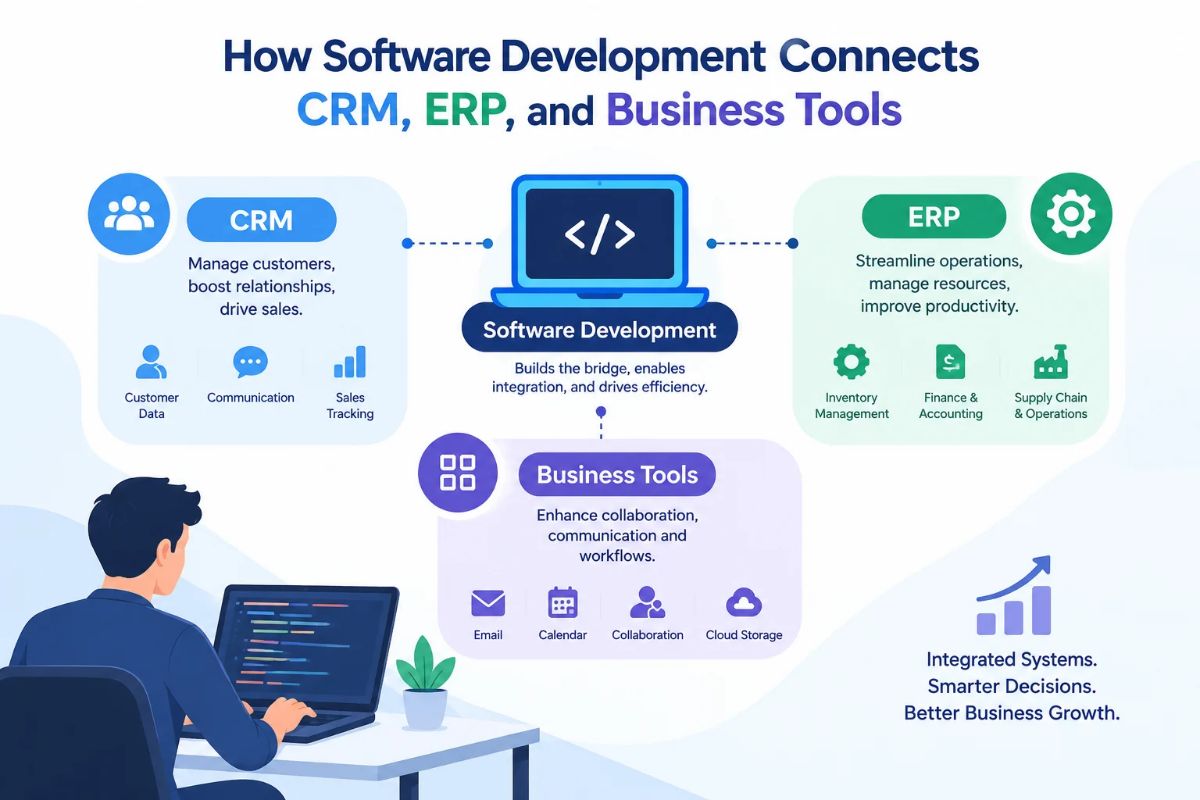
The performance of a software application can be good at its release; however, to keep it good and efficient, the organization needs to dedicate continuous efforts to it. New functionalities, changes in processes, updates of technology, and increased requests of users can severely influence the manner in which the application works. This is why investing in reliable software development services and planning for long-term maintainability are important from the development stage, alongside functionality and deadlines. Changes made to a software product may result in many problems if the underlying system was not designed to accommodate them. This blog explores the key reasons software projects become difficult to maintain and the practices businesses can follow to prevent these challenges.
The Maintenance Challenges That Develop as Software Evolves
Software maintenance involves much more than correcting errors after deployment. Development teams must keep existing features functional, introduce improvements, manage dependencies, protect data, and ensure that different components continue working together.
Several challenges can gradually increase the effort required to maintain an application. Understanding where these difficulties originate makes it easier to address them before they affect everyday business operations.
1. Poor Code Quality Makes Future Modifications Difficult
The structure and quality of code influence how easily developers can understand and modify an application. When code is written without consistent standards, even a relatively small update can require considerable investigation.
For example, imagine an application where the same business logic is written separately across multiple modules. If the company changes a particular pricing rule, developers may have to locate and update every instance. Missing one could produce inconsistent results across the application.
Some common coding problems include:
- Duplicate logic: Similar operations are implemented repeatedly instead of being organized into reusable functions.
- Unclear naming conventions: Variables and functions have names that provide little information about their purpose.
- Large, tightly connected modules: Several responsibilities are handled within the same component, making individual changes difficult.
- Inconsistent coding practices: Different developers follow different approaches, creating an application that is harder to understand.
These problems increase the time required for troubleshooting and feature development. Following consistent coding standards, conducting code reviews, and separating unrelated responsibilities can make the system easier to manage.
2. Accumulated Technical Debt Increases Development Effort
Technical debt develops when developers take shortcuts to meet immediate requirements instead of resolving underlying technical problems. Although these decisions may help complete a feature quickly, they can create additional work later.
Consider a reporting module that produces incorrect results under certain conditions. Rather than investigating the source of the problem, developers might introduce additional conditions to handle individual cases. The immediate issue may disappear, but the underlying implementation remains complicated.
When similar shortcuts accumulate, developers spend more time working around existing limitations than improving the application.
Technical debt commonly develops through:
- Delaying necessary code refactoring.
- Keeping temporary solutions in production indefinitely.
- Ignoring inefficient database queries.
- Postponing framework or dependency upgrades.
- Adding new features without addressing existing architectural weaknesses.
Not every shortcut creates serious problems, but repeatedly postponing essential improvements can make future development expensive. Teams should periodically review existing code, identify high-risk areas, and allocate time to resolving issues that affect maintainability.
3. Outdated Frameworks and Dependencies Create Compatibility Issues
Software relies on programming languages, frameworks, libraries, databases, and external packages. These technologies receive updates over time, and older versions may eventually stop receiving security patches or technical support.
An application built using an outdated framework may continue functioning for years. However, introducing a new feature can become difficult when the framework no longer supports modern development tools or third-party integrations.
Compatibility problems can also occur when different application components depend on conflicting versions of the same library.
Before updating a dependency, developers may need to examine its existing usage, identify breaking changes, modify related code, and test affected functionalities. Consequently, an update that appears straightforward can require considerable effort.
Businesses should maintain an inventory of their technology dependencies and review:
- Framework and programming language versions.
- Third-party packages and their support status.
- Database compatibility requirements.
- Operating system and server configurations.
- External services that have announced API changes.
Keeping these components under review reduces the risk of security vulnerabilities and prevents outdated technologies from restricting future improvements.
4. Inadequate Documentation Creates Knowledge Gaps
Documentation becomes particularly important when a software project involves multiple developers or continues beyond its original development team.
Without sufficient technical information, new developers may struggle to understand how the application works. They might need to examine several modules, trace database operations, and investigate existing configurations before making even a minor change.
The problem becomes more serious when important decisions exist only in the knowledge of individual team members. If those developers leave the project, the remaining team may have difficulty understanding why particular implementation choices were made.
Useful project documentation should explain:
- Application architecture and component responsibilities.
- Database relationships and important data structures.
- API endpoints and integration procedures.
- Installation, configuration, and deployment steps.
- Authentication methods and access permissions.
- Known technical limitations and troubleshooting procedures.
Documentation should reflect the current state of the application rather than its original design. Updating it alongside development changes helps teams transfer knowledge and reduces the time spent investigating existing functionality.
5. Changing Business Requirements Put Pressure on Existing Architecture
An application’s original requirements rarely represent everything a business will need several years later. Companies introduce new services, expand their customer base, modify internal processes, and enter additional markets.
A system designed around a limited set of requirements may struggle to accommodate these developments.
For instance, an eCommerce platform initially created for a single seller might later need multiple vendor accounts, regional pricing, different payment methods, and advanced inventory management. If the original architecture does not support these operations, developers may need to modify several existing components.
This can affect development timelines and introduce unexpected complications.
A flexible architecture helps reduce such difficulties by keeping different responsibilities separate and allowing individual modules to evolve without requiring extensive changes throughout the application.
However, flexibility should be based on realistic business requirements. Building unnecessary complexity in anticipation of every possible future scenario can create its own maintenance burden.
6. Insufficient Testing Allows Existing Features to Break
A software update can affect functionalities that have been working correctly for months or even years. This often happens when different parts of an application depend on the same data, services, or business logic.
For example, modifying the authentication process could unintentionally affect user registration, password recovery, account permissions, and payment authorization.
Without appropriate testing, these problems may reach production and disrupt normal operations.
Different testing approaches help identify issues at various stages:
Unit testing: Checks individual functions or components to verify that they produce the expected results.
Integration testing: Examines communication between application modules, databases, and external services.
Regression testing: Confirms that recent modifications have not affected previously working features.
Performance testing: Evaluates how the application responds to different workloads, user volumes, and processing requirements.
Automated testing is particularly useful for applications that receive frequent updates. It allows teams to repeat important checks consistently and identify problems before releasing changes to users.
7. Growing Data Volumes and Integrations Increase Complexity
As a business expands, its software often handles more information and connects with additional platforms. Both developments can increase the effort required to maintain the system.
A database that initially stores a manageable number of records may eventually contain millions of customer profiles, transactions, orders, or activity logs. If database queries and indexing strategies are not reviewed, routine operations can become slower.
Integrations introduce separate maintenance requirements. Payment gateways, CRM platforms, shipping services, and analytics tools may change their APIs, authentication methods, or data formats.
A modification made by an external provider can affect the connected application even when its internal code has not changed.
To manage these challenges, teams should:
- Review database performance as data volumes increase.
- Optimize frequently executed queries and indexes.
- Monitor API versions and third-party service updates.
- Implement appropriate error handling for failed requests.
- Track integration failures through application logs.
- Use caching and background processing where appropriate.
Regular monitoring helps developers identify performance bottlenecks and integration failures before they affect important business workflows.
8. Absence of a Planned Maintenance Process
Some businesses approach maintenance only when employees report an error or customers experience a problem. This reactive approach leaves little room for identifying weaknesses before they become disruptive.
Applications need routine attention even when everything appears to be working correctly. Security patches, server monitoring, backups, dependency reviews, and performance checks all contribute to long-term stability.
Without clearly assigned responsibilities, these activities can easily be postponed.
A structured maintenance process should establish:
- Update schedules: Define when security patches, libraries, and frameworks should be reviewed.
- Backup procedures: Maintain regular backups and verify that data can be restored.
- Performance monitoring: Track server usage, application errors, and response times.
- Security checks: Review access permissions, configurations, and potential vulnerabilities.
- Issue management: Record reported problems, assign priorities, and track their resolution.
Having a defined process makes maintenance more predictable and ensures that important technical responsibilities are not overlooked.
Conclusion
Maintaining software over the years requires more than fixing issues whenever they appear. Businesses need to address technical debt, update outdated components, review code quality, and ensure their applications can accommodate changing requirements. Taking care of these aspects helps prevent recurring problems and keeps software reliable as operations expand. Investing in the right software development services also makes long-term improvements easier to manage without unnecessary redevelopment.
Devherds helps businesses overcome these challenges through custom software development, application upgrades, API integrations, testing, and ongoing technical support. Partner with us to strengthen your existing software and build a reliable foundation for future business growth.