The tech stack you pick changes everything about how your mobile app runs, handles heavy user traffic, and stays relevant over time. Every single choice, from the raw coding language to the overarching framework, dictates your app’s loading speeds, safety, and everyday feel. Today’s users demand feature-heavy apps that work seamlessly across multiple devices, which means you cannot just pick a tool because it seems convenient right now. Finding the best language for app development comes down to your exact platform goals and how hard the code will be to maintain later, not just what is trendy. Let’s dive straight into the specific programming languages and frameworks driving modern mobile software and see how they build faster, more efficient, and easily updated apps.
Understanding Modern Programming Languages for Mobile Development
Technology has evolved significantly over the past decade. Instead of relying on one universal programming language, developers now choose from specialized options designed for different platforms and business requirements. Each language offers unique strengths depending on project goals.
Kotlin
Kotlin has become the preferred language for Android application development because of its concise syntax, improved safety features, and compatibility with existing Java codebases.
One of Kotlin’s strongest advantages is null safety, which reduces common runtime crashes caused by null pointer exceptions. Developers also benefit from shorter code structures that simplify maintenance while reducing development time.
Its modern architecture supports asynchronous programming more efficiently, making applications feel smoother when handling multiple background operations simultaneously.
Swift
Swift was developed specifically for Apple’s ecosystem, making it highly optimized for iOS, iPadOS, watchOS, and macOS applications.
Compared with older programming approaches, Swift provides better memory optimization and stronger security features. Applications developed with Swift generally launch faster and integrate seamlessly with Apple’s latest frameworks.
Regular updates from Apple ensure developers can quickly adopt new device capabilities without major compatibility concerns.
Java
Although Kotlin has gained popularity, Java continues to power countless enterprise-grade Android applications worldwide.
Java’s stability, extensive library ecosystem, and mature development tools make it suitable for complex business applications requiring long-term maintenance. Large organizations often continue using Java because of its proven reliability and strong developer community.
For businesses maintaining existing Android platforms, Java remains an important technology that supports continuous updates without requiring complete migration.
Dart
Dart is primarily associated with Flutter, Google’s cross-platform development framework.
Instead of maintaining separate codebases for Android and iOS, developers can write a single Dart application that operates across multiple platforms. This approach reduces development effort while maintaining relatively high performance.
Flutter’s rendering engine allows consistent user interfaces across devices, making Dart particularly attractive for startups and businesses seeking faster product launches.
JavaScript and TypeScript
JavaScript continues to play an important role in cross-platform frameworks such as React Native. TypeScript extends JavaScript by introducing static typing, improving code reliability and maintainability.
These languages enable developers to reuse existing web development expertise while building mobile applications capable of serving multiple operating systems.
Although native technologies generally provide higher performance for hardware-intensive applications, JavaScript-based solutions remain practical for many business applications requiring faster development cycles.
Native and Cross-Platform Development: Which Offers Better Performance?
Selecting between native and cross-platform development remains one of the most important technical decisions during mobile application planning. Neither approach is universally better because performance expectations vary according to project requirements.
Native development involves creating separate applications for Android and iOS using platform-specific languages. Because applications communicate directly with operating system APIs, they generally deliver faster execution, smoother animations, and better hardware integration.
Cross-platform development focuses on maximizing code reuse across operating systems. Instead of maintaining independent projects, developers create one shared codebase capable of supporting multiple platforms.
Businesses aiming for advanced graphics, real-time gaming, augmented reality, or intensive multimedia processing often benefit from native technologies. Direct hardware access allows these applications to achieve superior responsiveness under demanding workloads.
On the other hand, companies developing customer portals, booking systems, educational platforms, healthcare applications, and eCommerce solutions frequently find cross-platform technologies sufficient while significantly reducing development costs.
Rather than asking which approach performs better overall, organizations should evaluate which solution aligns more closely with business priorities, expected feature complexity, available budget, and future expansion plans.
Backend Technologies That Strengthen Mobile Performance
While users interact with the front end of an application, much of its performance depends on what happens behind the scenes. Every login request, payment transaction, data synchronization, notification, and file upload is handled by backend technologies. Choosing the right backend language and framework helps maintain speed, reliability, and scalability as the application grows.
Node.js
Node.js is widely used for applications that require real-time communication, such as messaging platforms, food delivery services, ride-sharing apps, and collaborative tools. Its event-driven architecture allows multiple requests to be processed simultaneously without slowing the application, making it suitable for high-traffic environments.
Python
Python is commonly selected for applications that incorporate artificial intelligence, machine learning, automation, or advanced data analytics. Its rich ecosystem of libraries accelerates development while enabling businesses to build intelligent features without creating everything from scratch.
Java
For enterprise applications handling sensitive information and complex business operations, Java remains a dependable backend technology. It offers strong security, excellent scalability, and compatibility with distributed systems, making it suitable for industries such as finance, healthcare, and insurance.
Go
Go has gained popularity for cloud-native applications because of its efficiency and lightweight architecture. It manages concurrent tasks effectively while consuming fewer system resources, making it an excellent option for applications expecting rapid growth.
C#
Businesses already using Microsoft technologies often choose C# with the .NET platform. It supports secure enterprise solutions, cloud integration, and high-performance APIs while simplifying long-term maintenance within Microsoft-based infrastructures.
Selecting the backend technology should complement the frontend language rather than being treated as a separate decision. When both layers work together efficiently, the application delivers faster responses, improved stability, and a smoother user experience.
How to Choose the Best Language for Different Types of Mobile Applications
No programming language performs equally well across every project. The right choice depends on the application’s objectives, expected traffic, hardware requirements, and future development plans. Instead of following industry trends, businesses should evaluate technologies according to practical requirements.
Business Applications
Applications used for customer management, employee collaboration, appointment scheduling, and workflow automation prioritize stability and long-term maintenance. Languages with mature ecosystems and strong community support often provide the reliability these projects require.
eCommerce Applications
Shopping applications process large product catalogs, secure payments, inventory updates, and customer accounts simultaneously. They require technologies capable of handling high user volumes without compromising speed or transaction security.
Healthcare Applications
Healthcare solutions manage confidential medical records, appointment systems, wearable device integration, and regulatory compliance. Security, data integrity, and dependable performance become more important than rapid development alone.
Financial Applications
Banking and financial platforms demand encryption, fraud prevention, secure authentication, and continuous availability. When evaluating the best language for app development in the financial sector, businesses should prioritize programming languages with proven security capabilities, long-term stability, and compliance support for these mission-critical systems.
Social Networking Applications
Social platforms rely on real-time messaging, multimedia sharing, notifications, and continuous user engagement. Technologies supporting fast communication and scalable infrastructure become essential as user communities expand.
Gaming Applications
Games place significant demands on graphics rendering, hardware acceleration, memory optimization, and processing power. Native technologies often provide the performance necessary for delivering smooth gameplay and responsive controls.
Evaluating application requirements before selecting technologies reduces future redevelopment costs while ensuring the chosen solution remains effective as business needs evolve.
Emerging Coding Technologies Shaping Mobile Performance
Mobile development continues to evolve as devices become more capable and user expectations increase. Developers are adopting modern technologies that improve application responsiveness while simplifying long-term maintenance.
Artificial Intelligence Integration
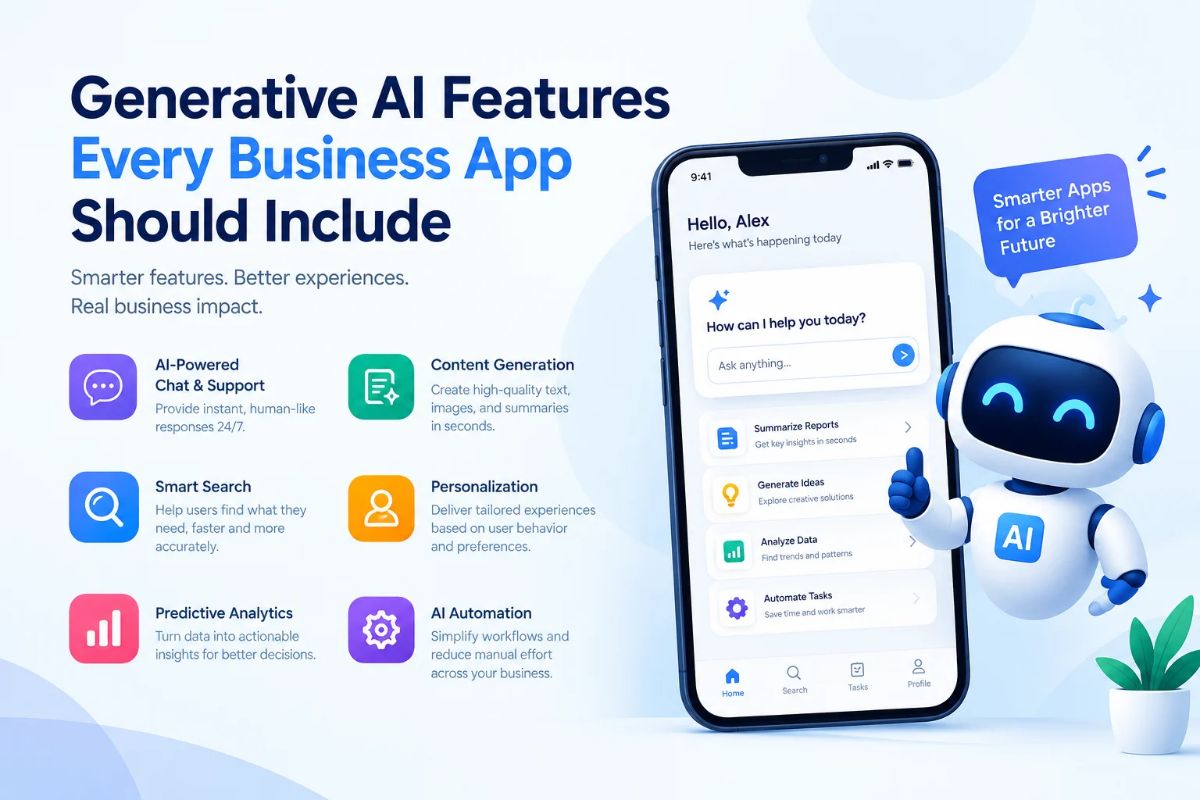
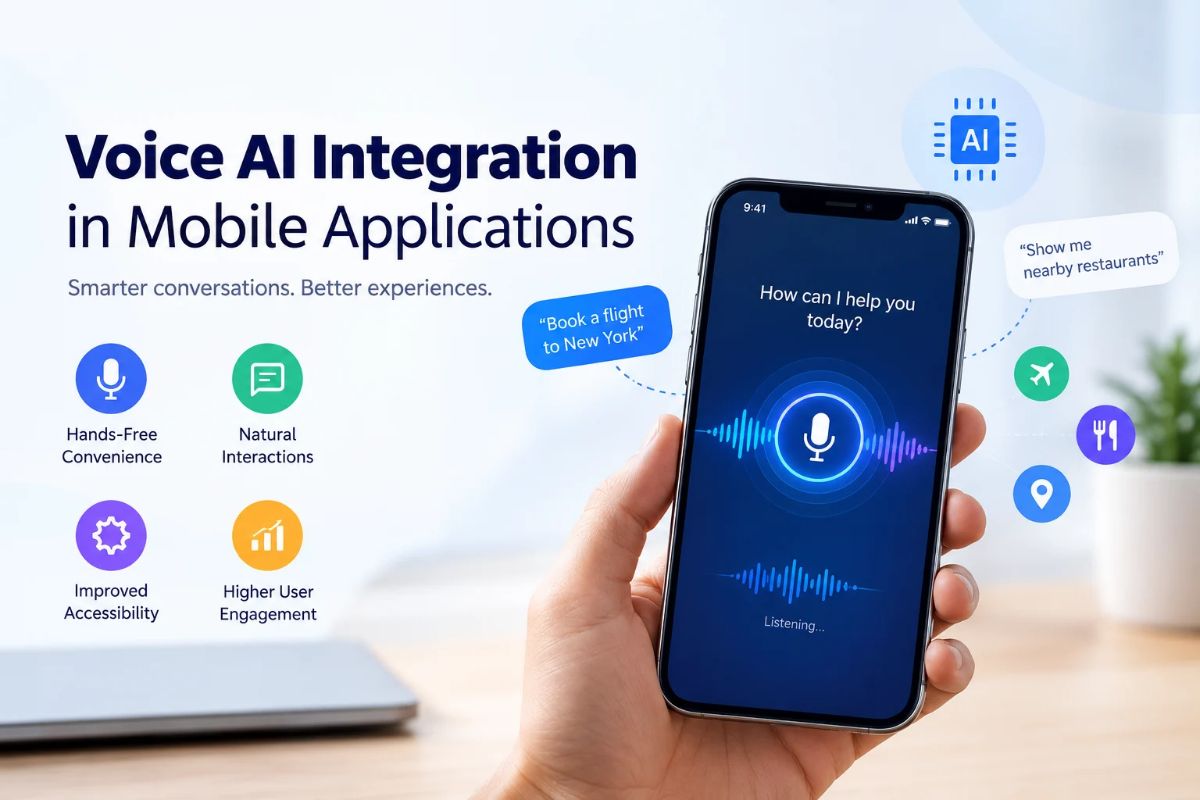
AI-powered features such as personalized recommendations, intelligent search, predictive analytics, and voice assistants are becoming standard across many applications. Programming languages offering strong AI library support enable developers to integrate these capabilities more efficiently.
Edge Computing
Instead of processing every request through distant cloud servers, edge computing moves certain operations closer to users. This reduces latency, improves response times, and enhances application reliability in areas with inconsistent internet connectivity.
Modular Architecture
Modern applications are increasingly developed as independent modules rather than large monolithic systems. Modular architecture simplifies updates, accelerates feature releases, and reduces the risk of widespread system failures.
Cloud-Native Development
Cloud infrastructure allows applications to scale automatically based on user demand. Combined with containerization and microservices, cloud-native development supports continuous deployment while maintaining high availability.
Stronger Security Practices
As cyber threats continue to evolve, modern programming languages are introducing enhanced security features such as stronger type safety, improved memory protection, and built-in encryption support. These capabilities help developers build more secure applications without significantly increasing complexity.
Keeping pace with these advancements enables businesses to build applications that remain competitive long after their initial release.
Conclusion
Choosing coding technologies is about much more than selecting a programming language. Every technical decision influences application speed, scalability, security, maintainability, and the overall experience users have with the final product. A thoughtful technology strategy helps businesses reduce long-term development costs while creating applications that remain reliable as user expectations and market demands evolve. At Devherds, we specialize in developing high-performance mobile applications using modern technologies tailored to each project’s unique requirements. Our team carefully evaluates your business objectives, target audience, scalability needs, and technical expectations to build solutions that are secure and designed for long-term success.