Transforming a software concept into a working application takes a lot more than just finding people who can write code. When you are trying to scale your operations or improve how you reach customers, partnering with the best mobile app development company in US changes everything about your product’s timeline and quality. Most decision-makers quickly realize that picking a vendor is about much more than just comparing price tags or reading tech buzzwords. To make this process easier, this blog is written to give you a straightforward guide on how to evaluate teams and manage your investment properly so it actually fits your long-term goals.
The Shift From Idea to Execution
Building software isn’t really about writing pretty code anymore. Anyone can spin up a boilerplate template. The real challenge is figuring out if that code actually solves a painful business problem. Far too many companies waste months and burn cash by treating app development like a simple grocery list: they hire a couple of freelancers, hand over a rough sketch, and cross their fingers. Real digital execution starts way before anyone touches an IDE. It comes down to market timing, data flow, and understanding how real humans will actually interact with the product.
When your internal operations hit a wall, or when customer expectations outpace what your old legacy systems can handle, standard websites stop cutting it. That exact tipping point forces businesses to look outward for specialized engineering help. Bringing in an outside team gives you fresh eyes, established pipelines, and actual domain expertise that your internal crew probably doesn’t have time to build from scratch. Even so, finding the right shop means ignoring slick slide decks and digging straight into how a team handles messy bugs, tight security mandates, and long-term scaling pains.
Why Internal Teams Hit a Ceiling
Your internal tech people are usually drowning in day-to-day firefighting, patching servers, fixing random UI bugs, and keeping lights on. Pulling them away from those core duties to build an entirely new flagship app is a recipe for internal burnout and missed deadlines.
- Resource Pull: Yanking internal staff away means existing product updates get shoved to the back burner, annoying your current active users.
- Skill Gaps: Modern cross-platform stacks, complex cloud infrastructures, and niche frameworks demand specialized experience that generalist devs rarely deal with daily.
- Opportunity Cost: Stumbling through trial-and-error phases in-house eats up precious time, letting faster competitors beat you to market.
Scaling cleanly means knowing when your internal bench strength has maxed out. Handing the heavy development lifting over to a specialized technical partner lets your core team stay focused on business growth and user acquisition while engineers build the engine room.
Defining the True Scope of Your Digital Product
Never jump on a discovery call with agencies until you have a sharp, realistic picture of what you actually need. Vague requirements breed bloated invoices, endless feature creep, and missed launch windows. Engineering teams hate guessing games, and when specs stay blurry, developers have to make assumptions that usually miss your actual business goals.
Mapping User Flows and Core Features
Zero in on the single biggest problem your app is supposed to fix. If an app tries to do five different things moderately well on day one, it usually ends up doing none of them well.
- Stick strictly to a lean Minimum Viable Product (MVP) mindset.
- Sketch out the shortest, cleanest path from a user opening the app to completing a high-value action.
- Ruthlessly chop out secondary features that don’t drive immediate revenue or early user validation.
Aligning Technical Architecture with Business Models
Your monetization strategy dictates your underlying tech stack. An app built for high-speed transactional e-commerce has completely different database loads and security requirements than a B2B enterprise dashboard. Locking these technical constraints down early keeps you from signing with a vendor whose core specialty clashes with your future growth plans.
Evaluating Technical Partners: Key Criteria
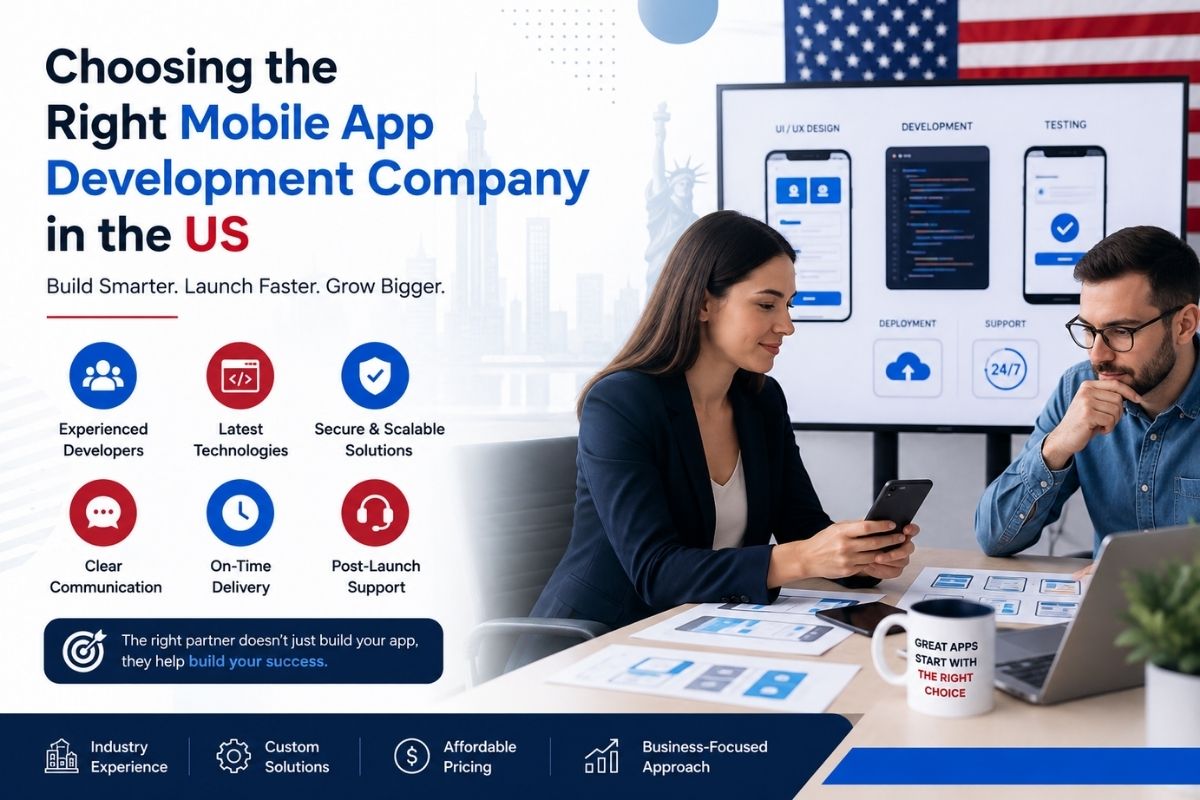
The market is packed with dev shops and digital agencies, which makes picking the right vendor genuinely stressful. High price tags and smooth sales pitches don’t guarantee clean code. If you want to separate true engineering partners from average code-mills, you need a strict checklist.
Assessing Architecture and Engineering Maturity
A solid engineering partner won’t just nod along and say yes to every wild feature you throw at them. They will push back, point out architectural flaws, and offer smarter alternatives based on past scars. Look for teams obsessed with clean code structures, automated testing, and proper CI/CD pipelines. Ask their lead architects how they manage technical debt, database scaling under sudden traffic spikes, and API changes.
Cultural Alignment and Communication Transparency
Writing software gets messy fast. APIs break, features shift halfway through a sprint, and weird bugs pop up out of nowhere. When that happens, you do not need someone hiding behind polished corporate emails. You want a vendor who picks up the phone, talks straight, and tells you what is actually going on. Look at how they run their daily project management, whether their progress reports are direct or just filled with fluff, and if their crew actually clicks with yours.
Financial Structuring and Budget Allocation
Software budgets always bleed if you don’t plan for hidden expenses. Too many organizations budget solely for the initial build phase, completely ignoring the ongoing financial commitments required to keep an app secure, fast, and competitive.
| TOTAL COST OF SOFTWARE OWNERSHIP | ||
| Initial Build (Design & Code) | Infrastructure (Hosting, APIs, CDN) | Continuous Updates(Security & Features) |
Fixed-Price vs. Time-and-Materials Models
- Fixed-Price Contracts: Fit well if your project specs are cast in stone and will never change. However, they can trigger rigid vendor disputes and hacked-together code when unexpected problems emerge.
- Time-and-Materials (T&M): Grants maximum flexibility, letting you shift features, adapt to user feedback, and scale developer hours up or down dynamically.
Factoring in Post-Launch Maintenance
Apps require constant upkeep: OS updates, security patches, dependency upgrades, and server scaling. Stashing away fifteen to twenty percent of your initial build budget for ongoing annual maintenance keeps your platform stable without throwing your cash flow into a tailspin.
Security and Intellectual Property
Handing your source code and product vision to an outside group opens up serious legal and operational vulnerabilities that must be legally secured before anyone writes a single function.
Protecting Intellectual Property (IP)
Make sure your contracts explicitly state that your company owns one hundred percent of the source code, visual assets, database layouts, and technical documentation from day one. Cross-border or offshore deals demand extra legal scrutiny to ensure local jurisdictions protect your proprietary tech.
Data Privacy Regulations
Depending on your target market, your software might have to meet strict legal frameworks like GDPR, HIPAA, or CCPA. Double-check that your engineering partner has deep, hands-on experience building encrypted data flows, secure authentication systems, and rigid access controls that pass compliance audits easily.
Preparing Your Internal Stakeholders for Partnership
Bringing outside developers into your workflow requires internal discipline. Without a clear chain of command on your end, projects stall out over slow feedback loops and conflicting internal opinions.
- Assign One Clear Product Owner: Pick a single decision-maker inside your company to act as the primary bridge between your business goals and the vendor’s lead engineers.
- Set Fast Feedback Loops: Establish exactly how design approvals, QA sign-offs, and feature tests will happen so decisions don’t die in committee meetings.
- Respect Engineering Timelines: High-end software takes time to build right. Rushing through architecture or skipping QA checks always leads to a disaster later.
Scaling Beyond the Launch Phase
Getting your app approved in the app stores is just crossing the starting line. Real product success depends entirely on what happens after day one. Real users will log in, edge cases will crash your servers, and market demands will shift beneath your feet.
Your chosen tech partner should be ready to shift gears from building mode straight into long-term product optimization. That means digging through crash logs, speeding up slow database queries, fixing UI friction points based on session replays, and pushing regular updates that keep churn rates low. Teaming up with a partner who focuses on long-term client retention ensures your software evolves smoothly alongside your business.
Conclusion
Opting for the right technology partner is easily the most difficult decision you will make for your digital product. It decides whether your software scales gracefully or implodes under a surge of users. If you need an experienced, grounded team that pairs sharp business sense with elite technical execution, Devherds is built to turn your roadmap into reality. From scaling cross-platform architecture to modernizing legacy systems, our mobile app development company in the US delivers custom, secure, and high-performance digital solutions tailored to your business model. Contact us to map out your architecture and get your project moving.