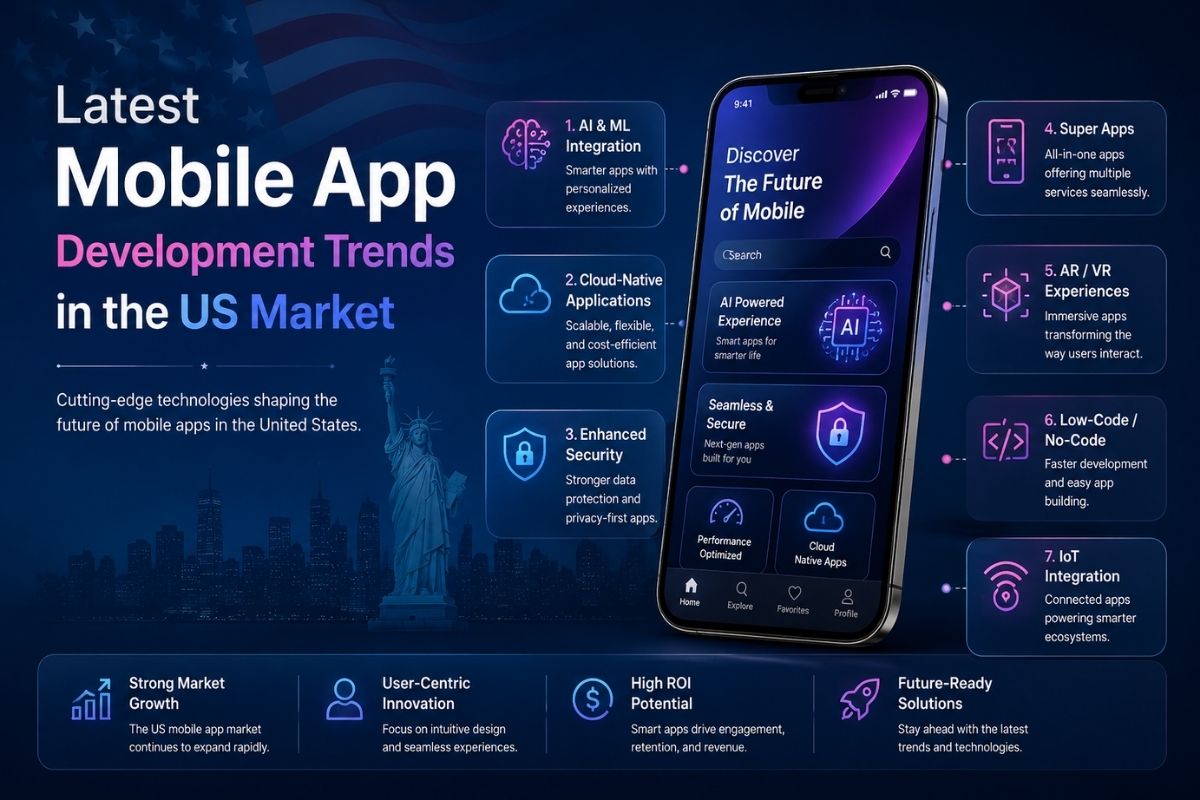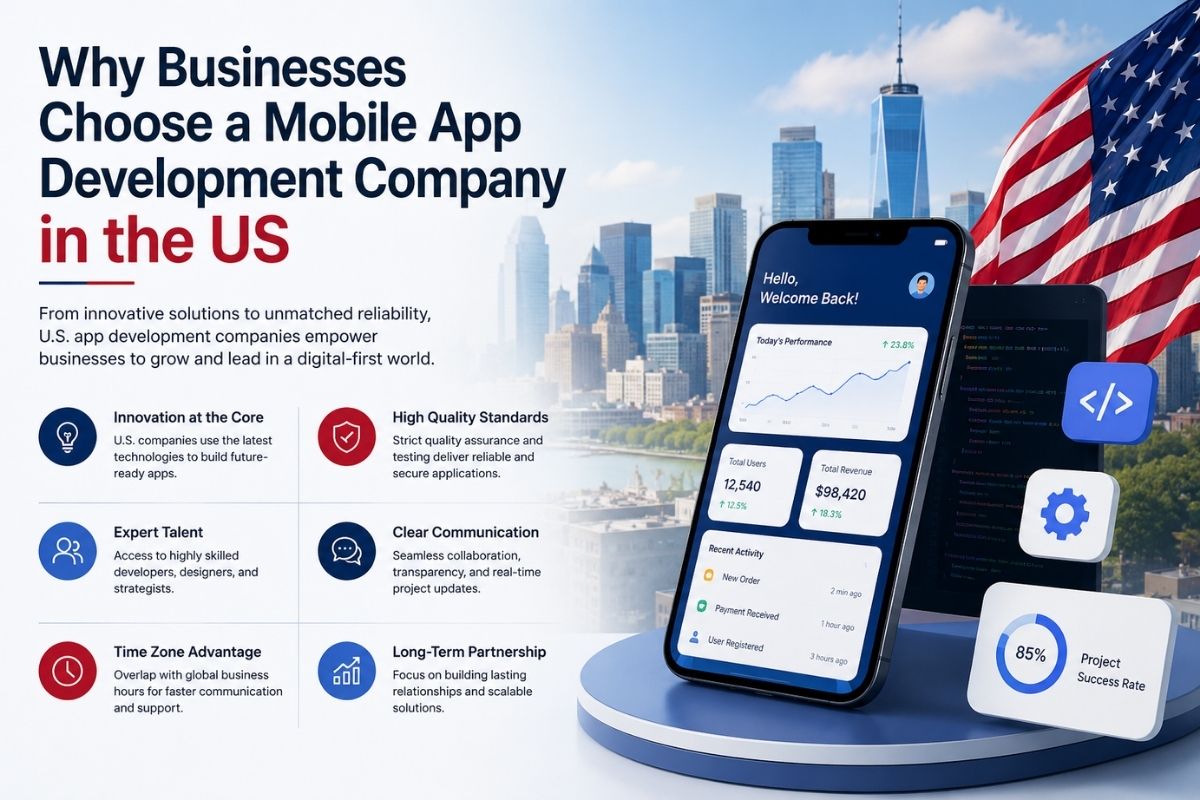
Today, growing enterprises need high-performing software to keep users engaged and scale up smoothly. Hitting that mark takes smart engineering and a steady partnership with a reliable mobile app development company in US that knows how to build for the long haul. Putting together apps that handle heavy traffic without crashing means planning out system design, locking down secure backends, and testing everything properly. Getting those foundational pieces right shows exactly how US businesses achieve long-term growth, setting up the key engineering methods, architecture styles, and infrastructure choices we examine throughout this blog.
1. Seeing Past Simple Traffic Surges
Most people assume scaling an application simply means buying bigger server hardware whenever user numbers tick upward on the analytics dashboard. In reality, true digital growth touches three completely different parts of your product ecosystem that require careful planning.
- Handling Load: Making sure your underlying servers and application programming interfaces can ingest thousands of simultaneous requests without suffering from noticeable latency or timeouts.
- Adding Features: Ensuring your engineering developers can push routine updates and innovative tools into production without accidentally breaking existing workflows or user interfaces.
- Managing Operations: Giving your technical team the right monitoring tools and diagnostic dashboards to patch the application across different operating systems without burning out.
When development squads skip these vital considerations early on, technical debt builds up rapidly behind the scenes. Patching a poorly designed software architecture down the road usually costs twice as much budget as building it correctly from the very beginning. Treating system performance as an active, daily discipline rather than a quick fix applied before a launch event protects your bottom line.
The Real Cost of Neglecting Early Planning
When businesses rush an early release out the door without mapping out future capacity limits, marketing campaigns frequently backfire in embarrassing ways. A sudden surge of ten thousand active users can lock up an unindexed database table or completely overwhelm a single application gateway. Laying out peak-load expectations well before writing any production code prevents these early failures entirely. Teams must calculate expected throughput, latency ceilings, and active session caps to properly size caching layers and load balancers before traffic spikes hit.
2. Choosing Your Structural Framework
The foundational technology stack you select dictates how cleanly your application processes incoming data and communicates with remote cloud databases. The right structural choice depends heavily on your corporate timeline, available budget limits, and where executive leadership wants the business to stand in three years.
Native Build Versus Cross-Platform
Going native by writing Swift for iOS and Kotlin for Android gives you absolute processing speed and direct access to device hardware. This approach is ideal for graphic-heavy mobile software or complex local data operations. On the flip side, modern cross-platform frameworks cut your time-to-market in half by letting engineers maintain a single shared codebase for both major mobile platforms simultaneously.
Clean Code and Modular Design
No matter what framework you ultimately choose for the build, keeping your code messy is a guaranteed recipe for future disaster. Implementing a clean architecture separates core business logic from visual user interface elements. If executive stakeholders decide to completely redesign your checkout flow next month, your team can rewrite that single isolated module without threatening the stability of the rest of the application ecosystem.
Embracing Component-Driven Layouts
Component-driven development breaks complex user interfaces down into discrete, reusable visual elements. This methodology accelerates delivery schedules because multiple front-end engineers can build separate interface fragments simultaneously without triggering annoying version control conflicts. Establishing a unified design system additionally guarantees visual and behavioral consistency across compact smartphone screens and large tablet displays alike.
3. Building a Backend That Doesn’t Break
Your client-side mobile application is merely the visible tip of a much larger digital iceberg. Everything heavy, including user profiles, real-time data syncing, and token authorization, happens securely behind the scenes on remote server infrastructure.
Monolithic Setups vs. Microservices
Traditional monolithic applications pack every single feature and database query into one giant codebase. While they are quick to launch initially, they falter severely under heavy traffic because a single glitch in your notification system can take down the entire login portal. Modern scalable apps break functions apart into independent microservices. If your user base surges on the payments page, only that specific service scales up automatically, leaving everything else untouched.
Leaning Into Cloud Infrastructure
Relying on major cloud providers like Amazon Web Services, Google Cloud, or Microsoft Azure takes the guesswork out of capacity planning. These robust platforms provide auto-scaling groups and smart content delivery networks that adjust server resources automatically based on real-time activity metrics.
API Gateway Architecture and Request Routing
As backend functions expand into dozens of distinct services, managing incoming client requests requires a dedicated traffic controller. An API gateway serves as the single frontline entry point for all mobile app traffic, handling authentication verification, rate limiting, and request distribution. Proper gateway setup safeguards internal microservices against volumetric abuse and maintains fair resource allocation across all active users.
4. Keeping Data Flow Fast and Secure
As user activity picks up momentum, unoptimized database queries will slow your application down to a painful crawl. Keeping things responsive takes intentional, disciplined data management strategies.
- Choosing Databases Wisely: Structured query language databases work wonders for strict transaction rules, while non-relational setups handle fast, unstructured data streams much better.
- Smart Caching: Using in-memory tools like Redis keeps frequently requested information right in server memory so mobile users get instant responses.
- Offline Functionality: People lose cellular service all the time while traveling. Local storage lets users keep interacting with your app even when offline, syncing everything cleanly once a connection returns.
Indexing Strategies and Database Tuning
Even powerful cloud databases will struggle if queries lack proper structural tuning. Adding targeted indexes to heavily queried table columns transforms search times from sluggish delays to near-instant responses. Database administrators should audit slow query logs regularly and archive legacy records to keep transaction pipelines lean.
Safeguarding Against Client-Side Exploits
Because mobile applications run directly on consumer-owned hardware, they face unique security risks like reverse engineering and packet inspection. Utilizing obfuscation tools, certificate pinning, and runtime protection measures blocks malicious actors from inspecting core app logic or intercepting active user sessions.
5. Testing and Continuous Monitoring
Waiting until the final week before an official launch to test your application is a high-stakes gamble you will likely lose.
Automated Testing
Manual quality assurance cannot keep pace with modern release schedules. Setting up automated testing suites catches bugs early, ensuring routine updates do not quietly break core features.
Real-Time Performance Tracking
Once your software is live, you need to know how the app behaves out in the wild. Integrating application performance monitoring tools lets your team track crash logs and API speeds live, fixing minor hiccups before users even notice them.
Stress Testing Under Simulated Loads
Before deploying major feature releases, engineering teams must simulate extreme traffic surges using dedicated load-testing software. Pushing the backend infrastructure to its breaking point with thousands of virtual concurrent users exposes architectural flaws before actual users experience slowdowns.
Conclusion
Building mobile software that scales cleanly requires a careful mix of clean architecture, dependable cloud infrastructure, and disciplined engineering habits. Companies aiming to secure long-term digital growth must prioritize these technical fundamentals from day one.
When you are ready to turn an ambitious idea into a market-ready product, having the right team by your side changes everything. This is where Devherds steps in to bring your vision to life. As a trusted partner for businesses seeking a reliable mobile app development company in the US, we specialize in engineering secure, high-performance mobile solutions built for sustained success. Contact us today to learn more about our services.