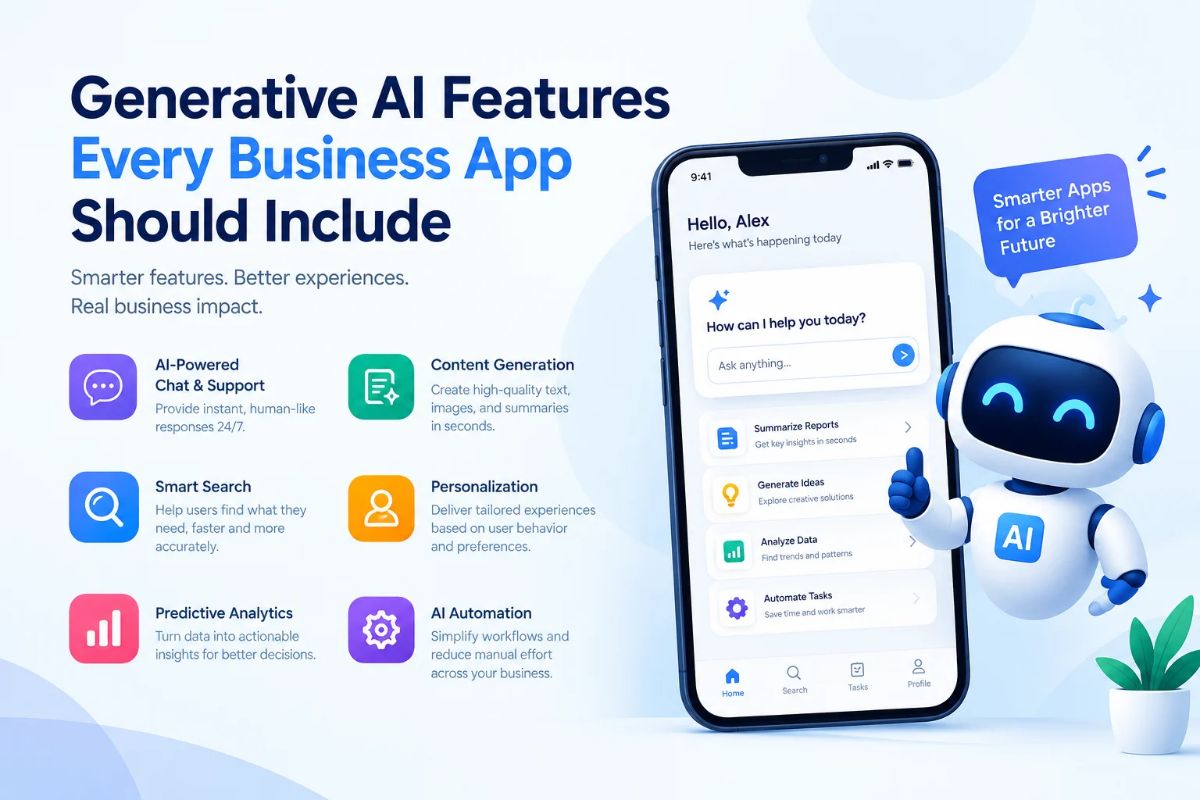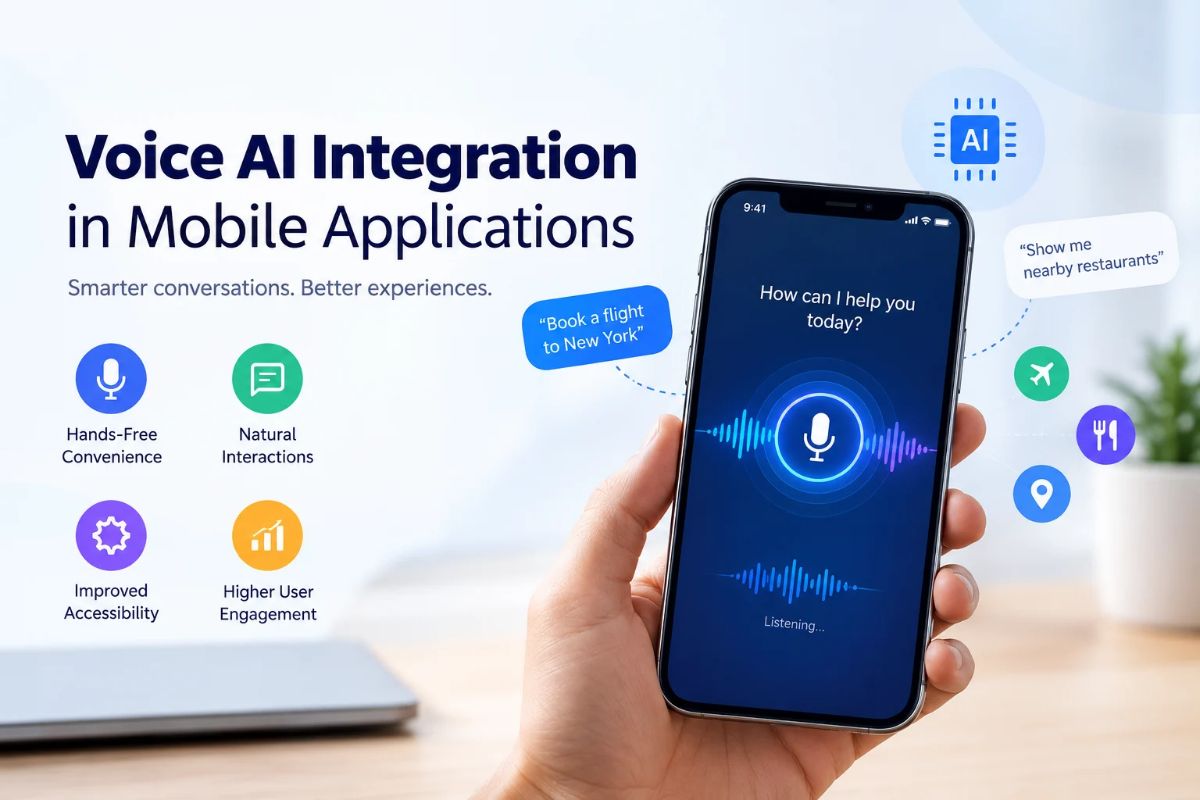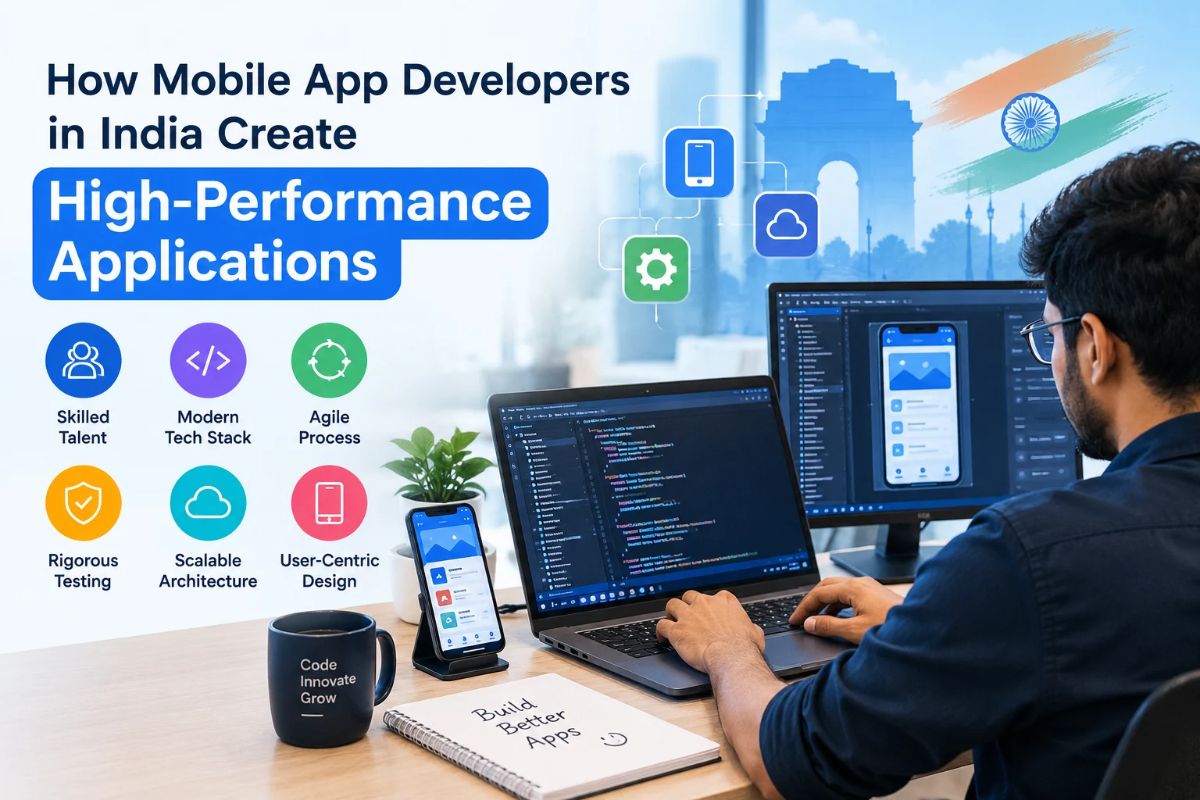
Smart features are no longer optional for modern mobile applications; artificial intelligence has officially rewritten the rules of digital product design. Even so, the best tech will fail without the right execution. Spotting the best AI app developer in India involves a strict vetting process that goes beyond a basic portfolio check. You need to weigh their engineering capability, industry background, and how they handle data privacy and system growth. Since no two development projects share identical goals, knowing how to spot a truly capable partner is vital. This quick guide outlines exactly what to look for.
1. The Architectural Shift: Traditional Engineering vs. Intelligent Software
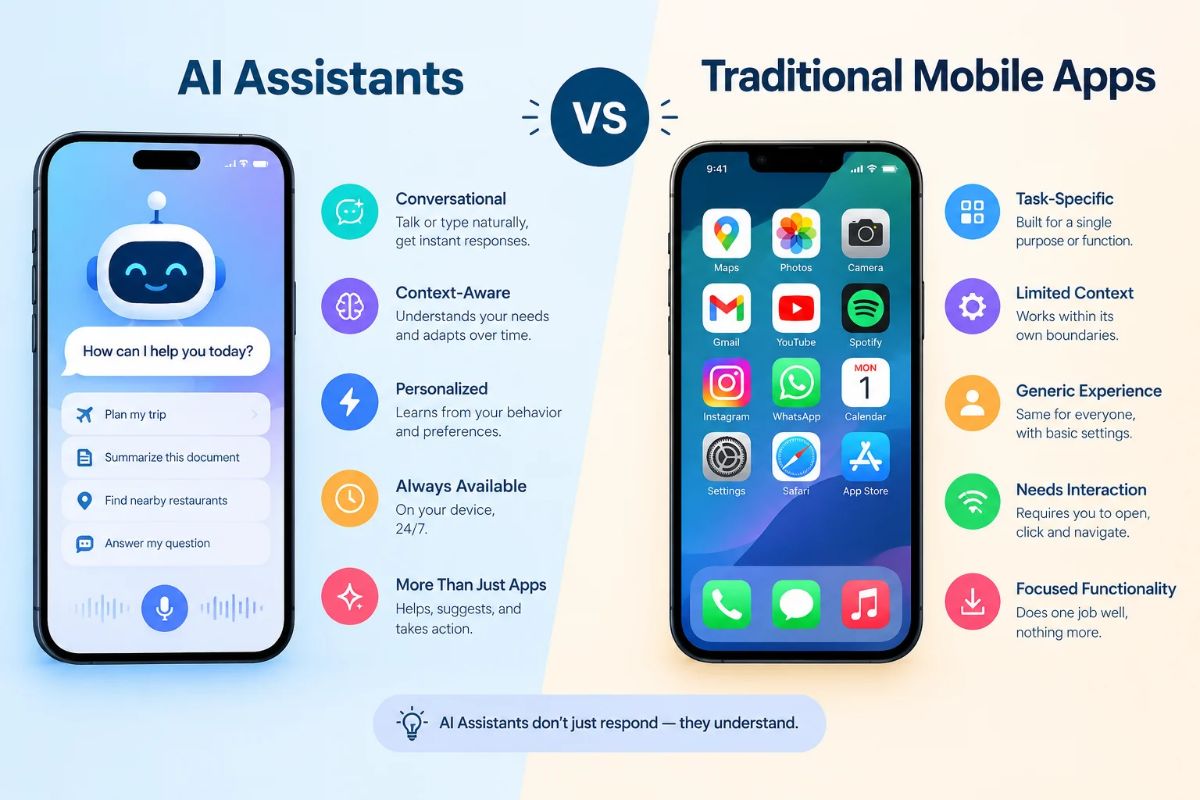
To make an informed hiring decision, you must first recognize why creating an artificial intelligence platform differs fundamentally from building standard mobile software. Traditional applications follow rigid, deterministic pathways. When a user interacts with the interface, the backend executes fixed commands to retrieve specific data. The system yields the same predictable output every single time.
In contrast, intelligent applications operate on probabilistic models and continuous learning cycles. They do not rely on static logic; instead, they analyze incoming user behaviors, process that unstructured data through machine learning algorithms, and dynamically adapt the user experience in real time.
Because the underlying codebase changes its behavior based on user inputs, the infrastructure requires a completely different engineering approach. A standard development team might struggle here because they are accustomed to predictable environments. Working with the best AI app developer India ensures you partner with engineers who know how to construct fluid data pipelines. These pipelines must capture raw mobile data, process it via complex algorithms, and deliver contextual responses back to the mobile screen within a fraction of a second, preventing any latency that could disrupt the user journey.
2. Advanced Technical Competence and Core Data Infrastructure
When you evaluate the technical depth of an engineering agency, do not limit your assessment to standard mobile programming environments like Flutter, React Native, Swift, or Kotlin. While frontend execution directly impacts user satisfaction, the true power of an intelligent app resides deep within its backend infrastructure.
- Robust Data Architecture: Artificial intelligence models require high-fidelity data to perform accurately. Elite engineering firms know how to construct clean data pipelines that ingest, validate, and store user activity seamlessly. They specialize in modern vector databases like Pinecone, Milvus, or Qdrant, which store data as complex mathematical embeddings. This setup allows your application to handle natural language queries and provide personalized recommendations instantly.
- Custom Model Fine-Tuning: Many software agencies claim to offer machine learning capabilities when they are simply connecting a basic mobile layout to public, out-of-the-box APIs. While third-party models offer a great starting point, creating a sustainable competitive edge requires deep customization. A premium technical team knows how to take foundational models and fine-tune them using your proprietary corporate data, ensuring the application truly aligns with your unique workflow.
- Automated MLOps and Cloud Management: Processing advanced algorithms requires immense cloud compute power, which can easily cause your operational costs to escalate. To prevent this, look for a team that implements automated Machine Learning Operations (MLOps). This protocol guarantees that as your active application gathers fresh user insights, the underlying models retrain and redeploy smoothly in the cloud without causing system downtime or performance lag.
3. The Necessity of Industry-Specific Domain Knowledge
A frequent mistake corporate leaders make is selecting a development partner based solely on abstract technical credentials rather than practical industry experience. An engineering group might possess a flawless understanding of algorithmic mathematics, yet completely fail to build a commercially viable mobile application because they do not grasp your specific market regulations.
Every commercial sector operates under strict digital guidelines. In the financial sector, an intelligent app must utilize low-latency fraud detection algorithms that identify suspicious activities in milliseconds while aligning perfectly with local banking security laws. Conversely, a digital healthcare application requires automated diagnostic support features that securely interface with legacy electronic medical records without violating patient confidentiality mandates.
For digital commerce businesses, the technical focus shifts toward managing immense traffic spikes and serving hyper-individualized product feeds based on real-time consumer browsing habits. Meanwhile, logistics platforms require complex multi-variable algorithms capable of analyzing route variations, unpredictable weather patterns, and fuel efficiency metrics simultaneously.
4. Iterative Development Lifecycles and Operational Transparency
Building advanced intelligent software is an evolutionary process. In standard application development, a project manager can easily chart out every screen, button click, and user workflow before the engineers write the initial lines of code. Artificial intelligence initiatives cannot follow a straight, predictable path because they demand constant experimentation, model validation, and systematic adjustments.
A mature engineering organization structures its workflow around an Agile methodology tailored specifically for machine learning lifecycles. The development journey moves systematically through several key operational phases:
- Data Feasibility Assessment: Vetting your existing corporate data repositories to confirm whether your current information is clean and comprehensive enough to train the planned intelligent features.
- Proof of Concept Prototyping: Constructing a lightweight, isolated version of the machine learning model to verify its core accuracy levels before investing capital into full frontend user interface design.
- Algorithmic Training and Optimization: Processing targeted training datasets through the model and systematically adjusting hyperparameters to maximize predictive accuracy while reducing algorithmic errors.
- Interface Integration: Crafting intuitive user experience elements that translate complex data predictions into simple, helpful visual prompts that the everyday consumer can easily act upon.
- Model Drift Mitigation: Setting up continuous tracking tools post-launch to monitor the live app, ensuring the algorithm does not lose its accuracy over time as real-world market trends naturally evolve.
Absolute transparency during these phases is vital. Your chosen development firm must establish clear communication channels, utilizing modern management tracking systems to keep your internal teams perfectly aligned. They should routinely provide updates regarding algorithmic precision scores, giving you complete confidence in the product’s viability before it goes live.
5. Enterprise-Grade Security and Long-Term Scalability
As your digital platform expands from a limited group of internal beta testers to hundreds of thousands of daily active users, your system architecture will experience intense operational strain. The engineering firm you select must design every single software layer with long-term expansion in mind.
To safeguard your platform against sudden performance bottlenecks, the system must utilize microservices and containerized environments through tools like Docker and Kubernetes. This architecture isolates your machine learning engine from core application processes. If your AI features experience a sudden spike in public demand, the isolated workload will not impact or crash standard application operations like user registration, profile updates, or payment gateways.
Furthermore, because intelligent systems rely on continuous data ingestion, they are frequent targets for advanced cyber threats. The best AI app developer India aggressively safeguards your digital assets by embedding modern security protocols directly into the source code. All user data must be heavily encrypted both while moving across public networks and sitting in your cloud storage repositories. Your development partner must implement strict data anonymization practices, stripping out all personally identifiable information before it interacts with cloud APIs, while maintaining strict access controls to block unauthorized network intrusions.
Conclusion
Choosing the right technology partner dictates the trajectory of your digital product. An elite engineering firm goes beyond writing clean code; they serve as visionary advisors guiding you through data pipelines, cloud budgeting, and secure user design. Devherds specializes in transforming sophisticated ideas into secure and custom-tailored mobile ecosystems designed around your exact business goals. Contact us today to schedule your strategic consultation, and let’s construct the future of your industry together.