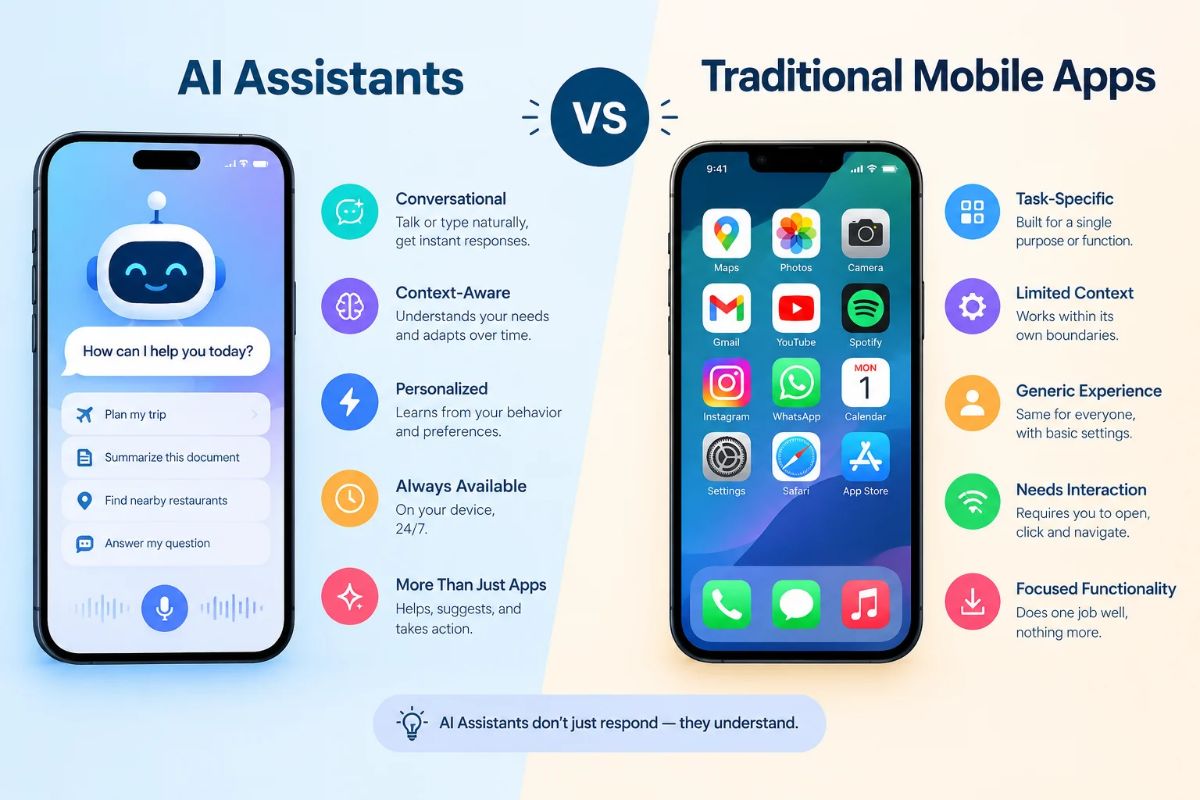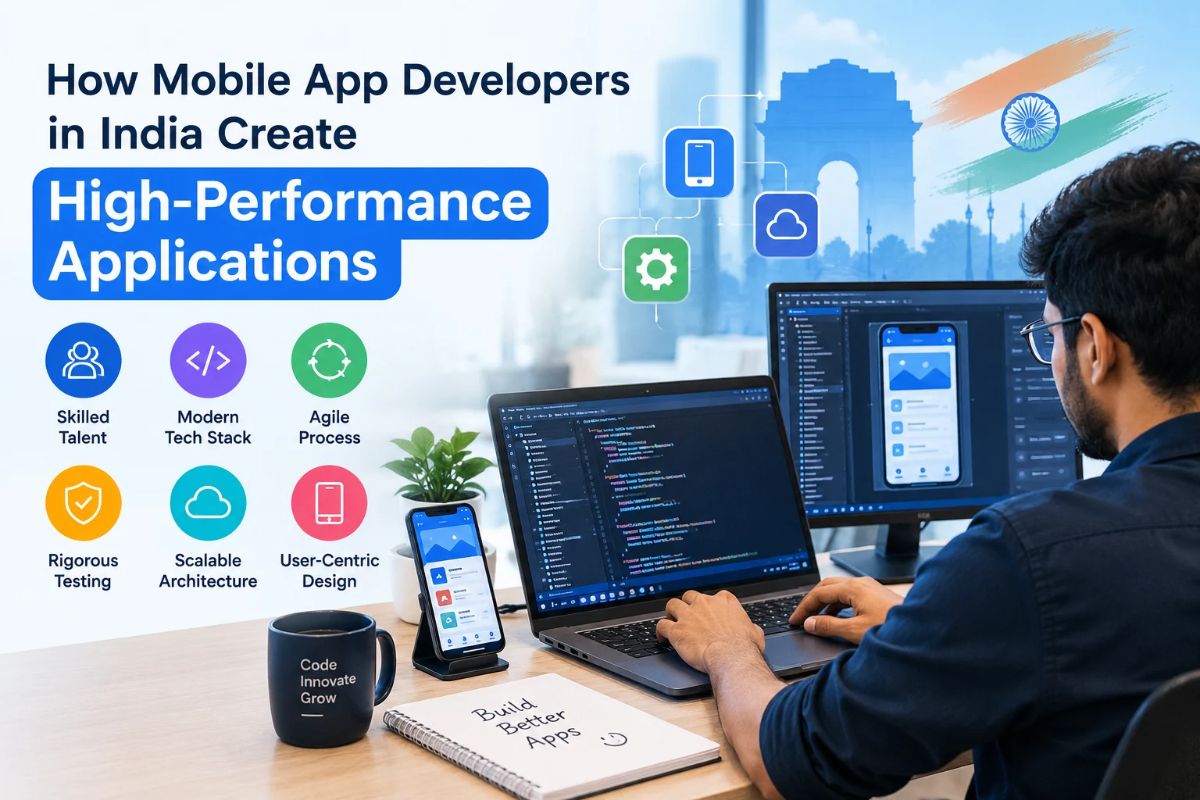
User expectations are evolving far beyond simple digital interactions, pushing businesses to create applications that can understand behavior, predict needs, and respond in real time. Intelligent apps are reshaping modern user journeys by combining data-driven functionality with personalized experiences that feel more natural and efficient across different platforms. From adaptive recommendations to automated assistance and contextual engagement, these technologies are changing how users interact with digital products at every stage of the journey. Businesses investing in advanced mobile app development services are focusing on creating smarter ecosystems that improve accessibility, engagement, and long-term customer retention. This blog explores how intelligent applications are influencing modern user experiences and redefining digital interactions across industries.
The Role of Artificial Intelligence in Intelligent Applications
Artificial intelligence has become one of the core technologies behind intelligent applications because it enables systems to process large amounts of information and respond intelligently in real time. AI-powered features are helping businesses create more dynamic and responsive user experiences.
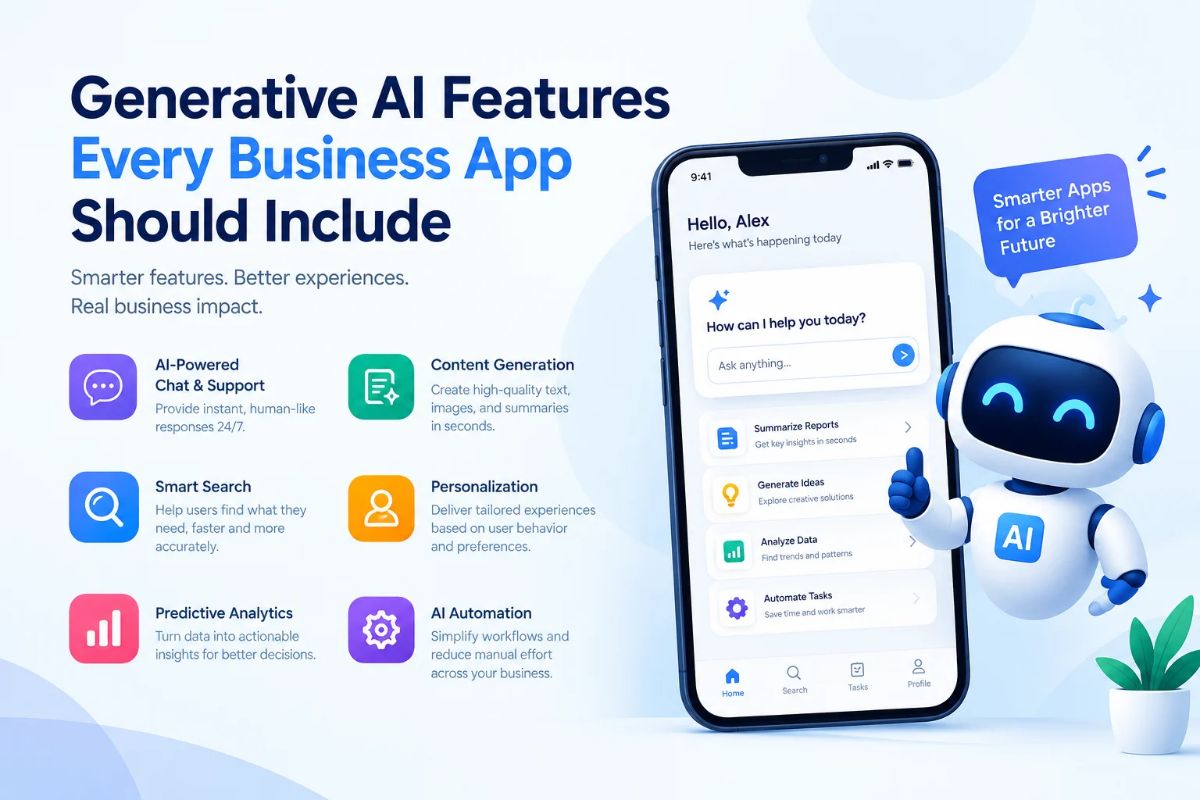
Personalized Content Recommendations
Intelligent applications analyze browsing behavior, interaction history, and user preferences to recommend relevant products, services, or content. Streaming platforms, shopping applications, and educational platforms use recommendation engines to improve engagement and increase retention rates.
Personalized recommendations reduce the time users spend searching for relevant information, making interactions more efficient and satisfying.
Smart Search Experiences
Traditional search systems rely heavily on exact keywords, while AI-powered intelligent apps understand user intent, context, and search behavior. This creates more accurate and meaningful search results that improve the overall user journey.
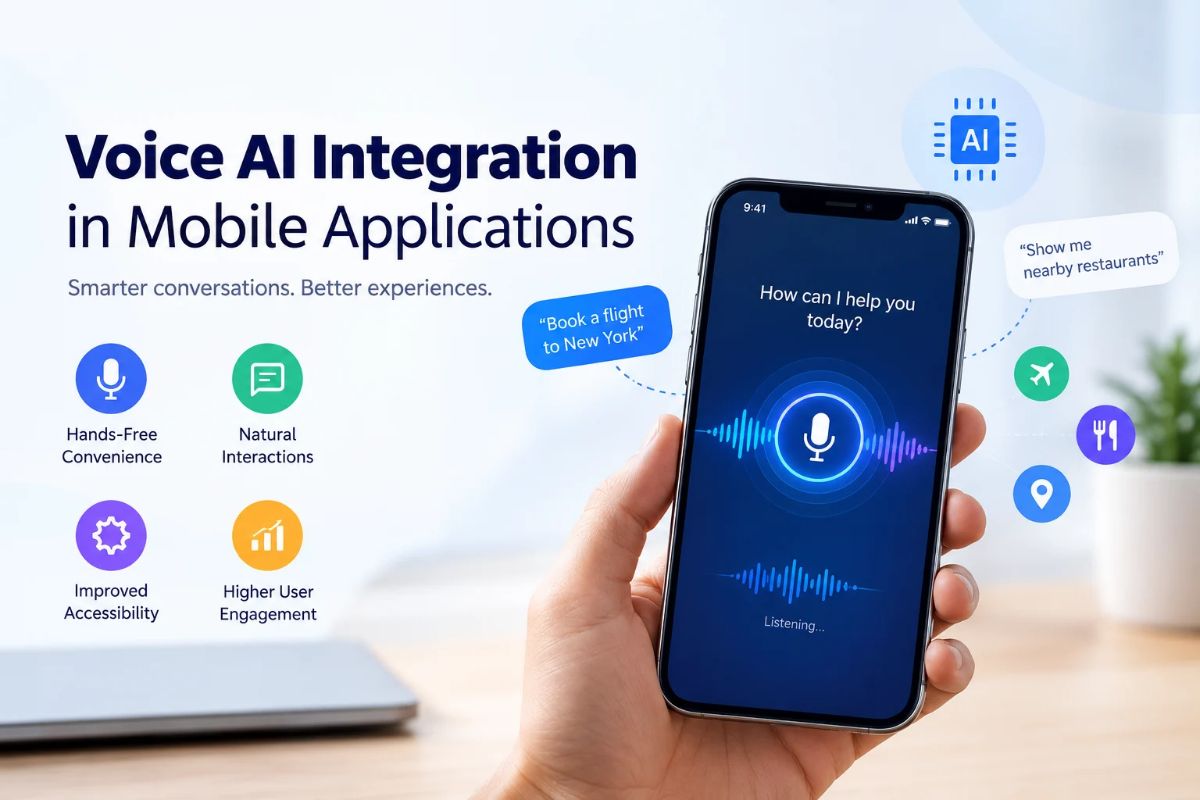
Voice search and conversational search capabilities are also becoming common because they allow users to interact with applications more naturally.
Predictive User Assistance
Artificial intelligence helps applications anticipate user actions and provide assistance before a problem occurs. Intelligent apps can suggest actions, automate workflows, and guide users through complex processes without requiring extensive manual input.
This predictive support improves convenience while reducing user effort during interactions.
The Growing Importance of Real-Time User Interactions
Real-time responsiveness has become a defining factor in modern digital experiences. Intelligent applications use data processing technologies to deliver immediate interactions that improve user satisfaction.
Instant Customer Support
AI-powered chatbots and virtual assistants provide immediate support without requiring users to wait for human intervention. These systems can answer common questions, guide users through tasks, and resolve basic issues quickly.
Businesses benefit from improved operational efficiency while users receive faster assistance.
Real-Time Notifications and Alerts
Intelligent applications send timely updates based on user activity, preferences, and contextual information. These notifications keep users informed without overwhelming them with irrelevant content.
Relevant communication improves engagement while strengthening the relationship between users and digital platforms.
Adaptive Decision-Making
Intelligent apps can process information instantly and adjust responses based on changing conditions. This capability is especially important in industries such as finance, healthcare, and logistics where real-time decisions directly impact user experiences.
How Intelligent Apps Are Transforming Different Industries?
The influence of intelligent applications extends across multiple sectors because businesses are increasingly relying on adaptive technologies to improve customer experiences and operational efficiency.
Intelligent Apps in Healthcare
Healthcare organizations are using intelligent applications to improve patient engagement, remote monitoring, and appointment management. AI-powered systems help patients access information more efficiently while supporting healthcare professionals with faster data analysis.
Personalized healthcare applications also improve communication between patients and medical providers by offering reminders, digital consultations, and health tracking capabilities.
Intelligent Apps in Retail
Retail businesses are using intelligent applications to create personalized shopping experiences based on customer preferences and purchasing behavior. Recommendation systems, virtual shopping assistants, and predictive inventory management are helping retailers improve customer satisfaction.
Smart retail applications also simplify payment processes and provide seamless experiences across online and offline channels.
Intelligent Apps in Finance
Financial institutions are integrating intelligent technologies into applications to improve security, fraud detection, and customer support. AI-powered financial apps help users track expenses, manage investments, and receive personalized financial insights.
Automation also improves transaction speed while reducing operational inefficiencies.
Intelligent Apps in Education
Educational platforms are adopting intelligent applications to create adaptive learning experiences for students. These systems analyze learning patterns and provide personalized study recommendations based on individual performance.
Interactive educational tools also improve accessibility and engagement for remote learners.
The Connection Between Data and Personalized Experiences
Data plays a central role in intelligent applications because it allows systems to understand user behavior and deliver meaningful experiences. Businesses are increasingly using data-driven strategies to optimize user journeys.
User Behavior Insights
Applications collect behavioral insights from interactions, navigation patterns, and engagement metrics to understand customer preferences more effectively. These insights help businesses improve digital experiences while reducing unnecessary complexity.
Context-Aware Experiences
Intelligent apps use contextual information such as location, device type, time, and usage history to deliver more relevant interactions. Context-aware experiences improve convenience by adapting functionality according to real-time conditions.
Customer Retention Through Personalization
Personalized interactions increase customer loyalty because users are more likely to continue using platforms that provide relevant and engaging experiences. Intelligent apps create stronger digital relationships by reducing friction and improving satisfaction.
The Role of Automation in Simplifying User Journeys
Automation is one of the most significant advantages of intelligent applications because it reduces repetitive tasks and improves operational efficiency.
Workflow Automation
Intelligent apps automate routine processes such as appointment scheduling, order tracking, data entry, and customer onboarding. Automation minimizes manual effort while improving speed and accuracy.
Reduced User Effort
Applications that simplify tasks through automation create smoother experiences for users. Features such as autofill suggestions, predictive actions, and one-click processes reduce complexity during interactions.
Improved Operational Efficiency
Businesses benefit from automation because it reduces resource dependency and allows teams to focus on strategic activities rather than repetitive administrative tasks.
Security and Privacy in Intelligent Applications
As intelligent apps process large volumes of user data, businesses must prioritize security and privacy to maintain trust and compliance.
Advanced Threat Detection
AI-powered security systems can identify suspicious activities and potential risks in real time. Intelligent monitoring helps businesses prevent security breaches before they escalate.
Secure Authentication Systems
Biometric authentication, facial recognition, and behavioral verification technologies improve application security while maintaining user convenience.
Transparent Data Practices
Users are becoming more aware of data privacy concerns, making transparency an essential part of modern digital strategies. Businesses must clearly communicate how data is collected, stored, and used within intelligent applications.
Challenges Businesses Face While Adopting Intelligent Apps
Although intelligent applications offer significant advantages, businesses often encounter challenges during implementation and optimization.
Managing Complex Technologies
Developing intelligent applications requires expertise in artificial intelligence, machine learning, cloud computing, and data analytics. Businesses must ensure they have the technical capabilities needed to manage these systems effectively.
Balancing Personalization and Privacy
While users appreciate personalized experiences, excessive data collection can create privacy concerns. Businesses need to maintain a balance between customization and ethical data practices.
Maintaining Cross-Platform Consistency
Users expect consistent experiences across mobile devices, tablets, desktops, and wearable technologies. Ensuring smooth performance across multiple platforms requires careful planning and optimization.
Future Trends Shaping Intelligent User Journeys
The future of intelligent applications will continue to evolve as businesses adopt more advanced technologies to improve digital experiences.
Conversational Interfaces
Voice assistants and conversational AI are expected to become more sophisticated, enabling natural and context-aware interactions within applications.
Hyper-Personalized Experiences
Future intelligent apps will rely on deeper behavioral analysis to create highly customized experiences tailored to individual users.
Integration With Emerging Technologies
Technologies such as augmented reality, virtual reality, and IoT devices will further expand the capabilities of intelligent applications by creating immersive and interconnected experiences.
Smarter Predictive Systems
Predictive technologies will continue improving as applications gain access to more accurate data insights, enabling businesses to anticipate customer needs more effectively.
Conclusion
Intelligent applications are transforming modern user journeys by making digital interactions more adaptive and personalized. From predictive recommendations and automated support to real-time engagement and contextual experiences, these technologies are reshaping how businesses connect with users across industries. Businesses looking to build future-ready digital experiences need technology partners that understand evolving user behavior and modern application ecosystems. Devherds delivers advanced mobile app development services designed to help businesses create intelligent and user-focused applications that align with modern market demands. Whether you want to improve customer engagement, streamline operations, or build adaptive mobile platforms, we provide tailored solutions that support long-term digital growth. Transform your digital vision into an intelligent user experience withus.