Have a mobile app idea but are unsure how to turn it into a practical development plan? Before investing in app development, it is important to understand what you want to build, who will use it, how much it may cost, and how long development could take.
For businesses exploring app development in USA, an initial consultation can help transform an early concept into a clearer project scope. Whether you are planning a startup application, an eCommerce platform, an internal business tool, or an AI-powered mobile product, preparing the right information before the first meeting can make the entire process more productive.
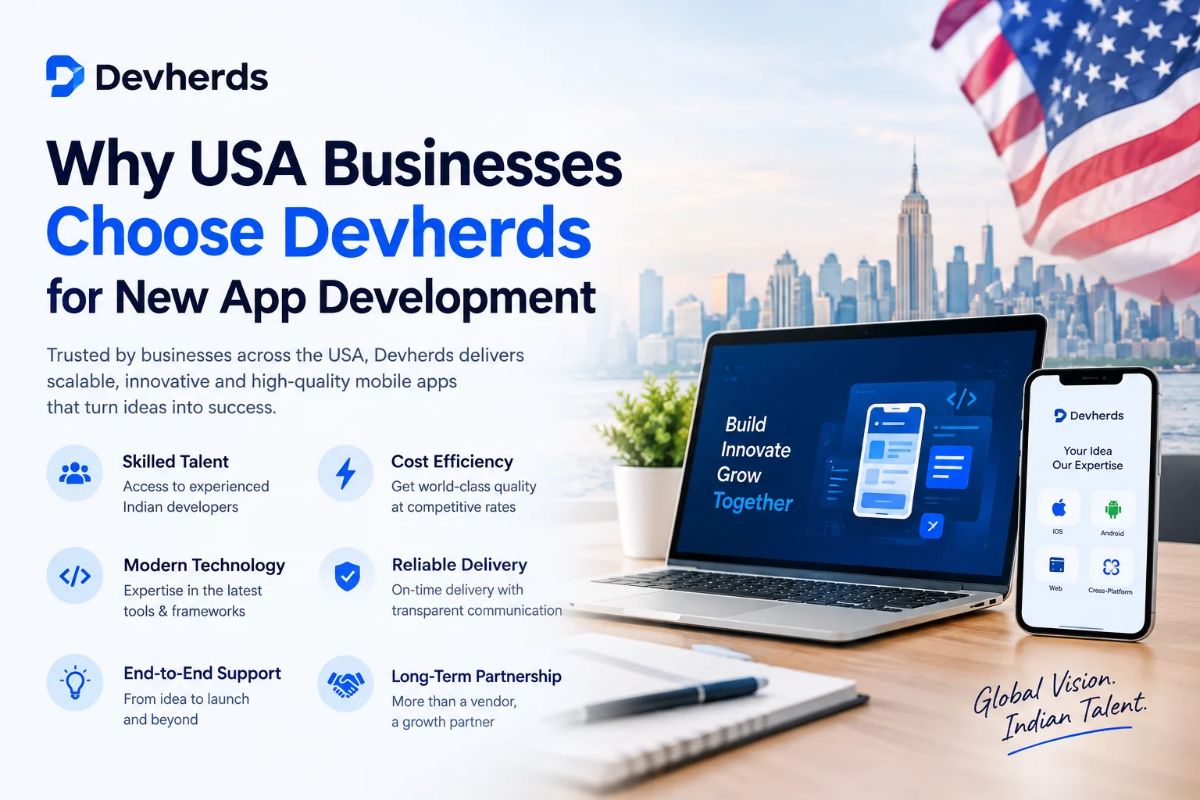
Devherds helps businesses explore their app ideas through development consultations, where project requirements, potential features, timelines, and estimated budgets can be discussed before moving forward.
Why an App Development Consultation Matters
An app idea may sound simple at first. For example, you might want to create a platform where customers can book appointments, make payments, or communicate with service providers.
However, each feature introduces additional requirements. Appointment booking may need calendar synchronization, while online payments require payment gateway integration and appropriate security measures. If the application includes different user roles, the development team must also plan permissions and user journeys.
An app consultation helps identify these requirements early. It gives business owners an opportunity to discuss their goals, ask technical questions, and understand which features should be included in the initial release.
A well-prepared consultation can also reduce misunderstandings, unnecessary development expenses, and delays caused by changing requirements later.
Step 1: Define the Business Problem Your App Will Solve
Before discussing programming languages or design preferences, explain why you need the application.
Ask yourself:
- What problem will the app solve?
- Who experiences this problem?
- How do people currently manage this task?
- What will make your solution more useful than existing alternatives?
- What business outcome do you want to achieve?
For example, a retail business may want to reduce abandoned purchases, while a logistics company may need better delivery tracking. Although both businesses require mobile applications, their features, integrations, and performance requirements will be different.
Clear business objectives help an app development company recommend a solution that supports your actual needs instead of adding features simply because they are popular.
Step 2: Identify Your Target Users
Your application should be designed around the people who will use it.
Consider their preferences, technical familiarity, common problems, and expectations. A consumer-facing app may need a simple onboarding process, whereas an internal enterprise application may prioritize reporting, permissions, and integration with existing business systems.
You should also determine where your audience is located. If you are targeting customers in the United States, consider relevant accessibility expectations, payment preferences, customer support requirements, and applicable privacy obligations.
These details help shape the user experience, technical architecture, and testing strategy.
Step 3: Prepare a List of Essential Features
You do not need a complete technical specification before your first consultation. However, preparing a preliminary feature list will help the development team understand your expectations.
Organize your ideas into three categories:
Essential features: Functions the app needs to perform its main purpose, such as account registration, search, booking, or payments.
Useful additions: Features that improve convenience but may not be necessary for the first release, such as personalized recommendations or advanced notifications.
Future improvements: Capabilities you may introduce after validating the product, such as AI-powered automation, additional integrations, or advanced analytics.
This approach helps establish a manageable first version of the application. It also gives the development team a starting point for estimating complexity, effort, and cost.
Step 4: Decide Whether You Need Android, iOS, or Both
Platform selection affects development planning, testing, and ongoing maintenance.
Native development involves building separately for platforms such as Android and iOS. Cross-platform development uses technologies that allow teams to share much of the application code across platforms.
Neither approach is automatically the best choice for every project.
A business app with standard workflows may be a suitable candidate for cross-platform development. An application that depends heavily on specialized device capabilities or platform-specific performance may require a different approach.
During your consultation, discuss your target audience, required functionality, available budget, and future plans. A qualified development team can then help you evaluate the most suitable technical direction.
Step 5: Establish a Realistic Budget and Timeline
One of the most common questions businesses ask is how much their app will cost and when it will be ready.
The answer depends on several factors, including feature complexity, UI/UX design, backend development, third-party integrations, security requirements, testing, and the size of the development team.
For example, a basic appointment-booking application may require significantly less work than a multi-vendor marketplace with separate dashboards, payment processing, delivery tracking, and advanced reporting.
Before your consultation, establish an approximate budget range and identify any important launch deadlines. You should also discuss post-launch expenses, including hosting, maintenance, security updates, and future feature development.
Avoid choosing a development partner based only on the lowest quotation. A useful estimate should explain what is included, which assumptions have been made, and what might increase the overall cost.
Step 6: Prepare Your Design References and Existing Materials
If you have sketches, wireframes, competitor examples, brand guidelines, or an existing website, bring them to the discussion.
These materials help explain your expectations more clearly than a verbal description alone.
You can also identify applications you admire and explain which aspects appeal to you. Perhaps you like their navigation, checkout process, search functionality, or overall appearance.
Remember that references should communicate your preferences rather than serve as a request to copy another company’s product. Your development team should help translate those ideas into an original experience that fits your business objectives.
If your project involves an existing application, share relevant information about its current features, technical limitations, integrations, and planned improvements.
Step 7: Discuss Security, Integrations, and Ownership
Project planning should include more than visible app features.
Depending on your business model, you may need integrations with CRM software, payment gateways, inventory systems, mapping services, or other third-party platforms.
You should also discuss data collection, user permissions, authentication, backups, and security testing. Applications handling personal or sensitive information may have additional legal and compliance requirements that need to be assessed for the intended market.
Before development begins, clarify who will own the source code, design files, and other project deliverables. Ask how access to repositories, hosting accounts, and app store accounts will be managed.
Addressing these questions early can help prevent avoidable complications after launch.
What Should You Expect From an App Development Consultation?
A productive consultation should help you understand the next steps, even if you do not yet have every requirement finalized.
Depending on the information available, the discussion may cover:
- Your business goals and target audience.
- Essential features and possible future additions.
- Recommended development approaches and platforms.
- Important integrations and technical dependencies.
- An initial development timeline and budget range.
- Questions that require further research before a final estimate.
Keep in mind that an initial conversation usually provides an early assessment, not a guaranteed quotation or delivery date. A detailed estimate may require a documented scope, technical discovery, or additional discussions.
Start Your App Development Journey With Devherds
Turning an idea into a successful application begins with asking the right questions. A clear project scope helps you make informed decisions about features, technology, development costs, and launch priorities.
If you are considering app development in USA, Devherds offers a free 30-minute strategy call to discuss your project idea, requirements, development approach, expected timeline, and budget.
This conversation can help you understand what your project may involve and what information is needed to move toward a more detailed development plan.
You do not need to have every technical detail figured out before getting started. Bring your idea, explain the problem you want to solve, and use the discussion to explore your options.
Ready to discuss your app idea? Connect with Devherds and book a free 30-minute strategy call to explore the next steps for your project.