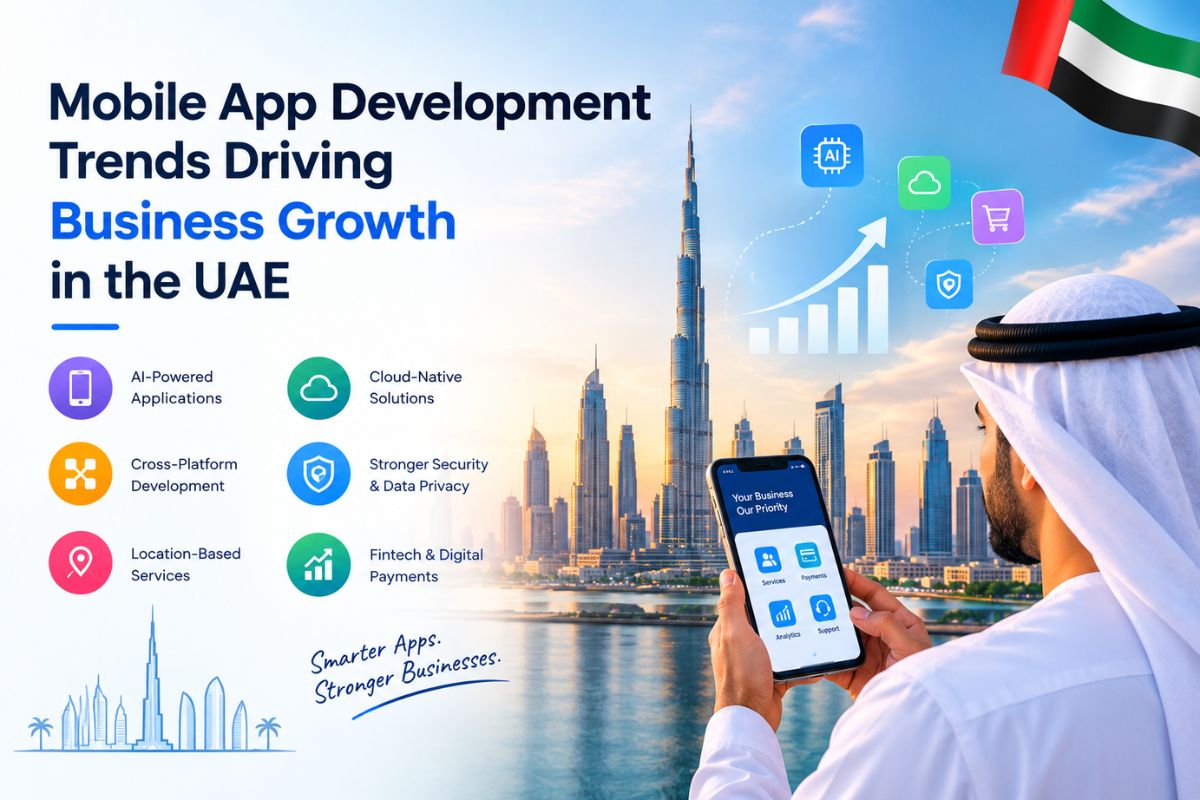
Mobile applications have moved beyond delivering the same experience to every user. Artificial intelligence is helping businesses understand individual preferences, habits, and behavior patterns, making every interaction more relevant and engaging. As personalization becomes a key part of mobile strategy, businesses often look for a developer for the best app development compnay. The right AI-driven approach strengthens user engagement, improves retention, and creates more meaningful digital experiences. This blog explores how AI-based personalization is making mobile experiences more relevant and why it has become an essential part of modern mobile app development.
How Does Artificial Intelligence Understand User Behavior?
Effective personalization begins with understanding how users interact with an application. Every search, purchase, click, and navigation choice provides useful information that helps AI recognize individual preferences.
Rather than examining isolated activities, AI combines different behavioral signals to create a broader understanding of each user’s interests. This allows recommendations to become increasingly accurate over time.
Behavioral Data That Powers Personalization
Artificial intelligence analyzes multiple forms of user activity, including:
- Search history
- Browsing behavior
- Purchase history
- Time spent on different screens
- Frequently used features
- Navigation patterns
- Device preferences
- Session frequency
When analyzed together, these data points help AI identify meaningful behavioral trends instead of relying on assumptions.
Pattern Recognition Improves Recommendation Quality
One purchase alone rarely defines a person’s interests. However, repeated interactions across similar products, categories, or services provide stronger indicators of user preferences.
AI identifies these recurring patterns and uses them to recommend products, content, or features that closely match individual interests. Because recommendations are based on consistent behavior rather than isolated actions, users receive suggestions that feel more natural and useful.
Continuous Learning Creates Better Experiences
One of AI’s greatest strengths is its ability to improve continuously. Every interaction contributes new information that helps refine future recommendations.
Instead of remaining unchanged after deployment, AI systems evolve alongside changing customer preferences. This ongoing learning process keeps personalization relevant even as user behavior changes over time.
Technologies That Make AI Personalization Possible
AI-based personalization depends on several advanced technologies working together. Each technology performs a different role while contributing to a seamless and intelligent user experience.
Machine Learning
Machine learning allows applications to identify relationships within large amounts of user data. Instead of manually programming every recommendation, developers train models that learn from user interactions.
As additional data becomes available, prediction accuracy improves naturally. This makes machine learning one of the most important technologies behind personalized mobile experiences.
Natural Language Processing (NLP)
Many applications communicate with users through voice assistants, chatbots, and search functions. Natural Language Processing enables systems to understand human language more effectively.
Common applications include:
- AI-powered chat support
- Intelligent search suggestions
- Voice-based interactions
- Personalized responses
- Multilingual communication
- Intent recognition
These capabilities make interactions faster, simpler, and more conversational.
Predictive Analytics
Predictive analytics allows applications to anticipate user needs before they are explicitly expressed.
By analyzing previous behavior, AI estimates what users are likely to search for, purchase, or access next. This proactive approach helps businesses deliver timely recommendations that improve both convenience and engagement.
Different Types of AI-Based Personalization
Personalization extends beyond product recommendations. Modern mobile applications use AI across multiple touchpoints to create experiences tailored to each user.
Personalized Content
Content-driven applications such as news platforms, educational apps, and streaming services recommend articles, videos, or courses based on user interests.
Instead of displaying identical content for everyone, AI prioritizes information that aligns with previous interactions. This helps users discover relevant content more efficiently while increasing engagement.
Product Recommendations
E-commerce platforms use AI to recommend products based on factors such as:
- Previous purchases
- Browsing history
- Wishlist activity
- Frequently viewed categories
- Seasonal buying patterns
- Similar customer preferences
Relevant product recommendations improve customer satisfaction while supporting higher conversion rates.
Personalized Notifications
Generic notifications often go unnoticed because they lack relevance.
AI analyzes user activity to determine the right message, appropriate timing, and suitable content for each individual. Personalized notifications encourage higher engagement because they provide information that matches actual user interests.
Adaptive User Interfaces
Artificial intelligence can also customize how an application appears.
Menus, shortcuts, navigation paths, and frequently used features can automatically adjust according to user behavior. This allows users to complete tasks more quickly while creating a more intuitive experience.
Business Benefits of AI-Based Personalization
AI-powered personalization benefits both users and businesses. While customers enjoy faster and more relevant interactions, businesses gain valuable insights that help improve engagement, retention, and overall performance. Instead of offering a one-size-fits-all experience, organizations can deliver services that match individual expectations, creating stronger customer relationships over time.
As AI continues to shape digital experiences, many companies choose a developer for the best app development who can build scalable personalization features that support long-term business growth.
Increased User Engagement
Relevant experiences naturally encourage users to spend more time within an application. When people quickly find content, products, or services that interest them, they are more likely to continue exploring additional features.
AI reduces the effort required to discover useful information, making interactions smoother and more enjoyable. This improved experience often leads to higher session durations and increased user activity.
Improved Customer Retention
Retaining users requires more than attractive designs or advanced features. Customers are more likely to remain loyal when an application consistently understands their preferences.
AI strengthens retention by remembering user behavior and adapting recommendations accordingly. As personalization improves over time, users become more familiar with the application, making them less likely to switch to competing platforms.
Higher Conversion Rates
Personalized recommendations simplify decision-making by presenting users with options that closely match their interests.
Whether someone is purchasing a product, subscribing to a service, or booking an appointment, relevant suggestions increase the likelihood of completing the desired action. Better recommendations create a more satisfying experience while supporting business growth.
Better Business Insights
Artificial intelligence analyzes large volumes of behavioral data, helping businesses understand how users interact with their applications.
These insights can reveal:
- Popular features
- User preferences
- Navigation behavior
- Purchase patterns
- Content performance
- Customer engagement trends
- Areas requiring improvement
This information supports informed decision-making and helps businesses improve both user experience and product strategy.
Future of AI-Based Personalization
AI personalization will continue evolving as intelligent technologies become more advanced. Future mobile applications will not only respond to user behavior but also anticipate user needs with greater accuracy.
Businesses investing in AI should view personalization as a long-term strategy rather than a one-time implementation.
Context-Aware Personalization
Future AI systems will consider multiple contextual factors before making recommendations.
These factors may include:
- Time of day
- User location (when permission is granted)
- Current activity
- Device type
- Usage frequency
- Recent interactions
Considering real-time context allows applications to provide recommendations that are even more relevant to a user’s immediate situation.
Smarter Predictive Experiences
Predictive AI will continue to become more accurate as machine learning models improve.
Instead of waiting for users to search manually, applications will proactively recommend products, services, reminders, or content based on previous behavior and current usage patterns.
This approach reduces effort while creating a smoother digital experience.
Cross-Platform Personalization
Modern users frequently switch between smartphones, tablets, laptops, and wearable devices.
Future AI systems will synchronize user preferences across multiple platforms, ensuring a consistent experience regardless of which device is being used.
This continuity improves convenience while strengthening user engagement.
Why will AI Personalization Continue Shaping Mobile Experiences?
Artificial intelligence is changing the way people interact with mobile applications by making every experience more relevant, efficient, and user-focused. Instead of relying on generic interactions, businesses can deliver recommendations, content, and features that reflect individual preferences in real time.
As AI technologies continue advancing, personalization will become an even greater competitive advantage. Organizations that invest in intelligent mobile experiences will be better positioned to improve customer satisfaction, strengthen loyalty, and make data-driven business decisions that support long-term growth.
Conclusion
Creating meaningful personalized experiences requires more than adding AI features to a mobile application. It involves understanding user behavior, protecting customer data, selecting the right technologies, and continuously improving recommendations as user expectations evolve. Businesses that approach personalization strategically can build stronger customer relationships while achieving sustainable digital growth.
At Devherds, we help businesses develop AI-powered mobile applications that combine intelligent personalization with high performance, security, and scalability. Whether you’re planning a new application or enhancing an existing one, our team delivers solutions designed around your business objectives and user expectations. Connect with us today and let our experts help turn your vision into a scalable, future-ready mobile solution.