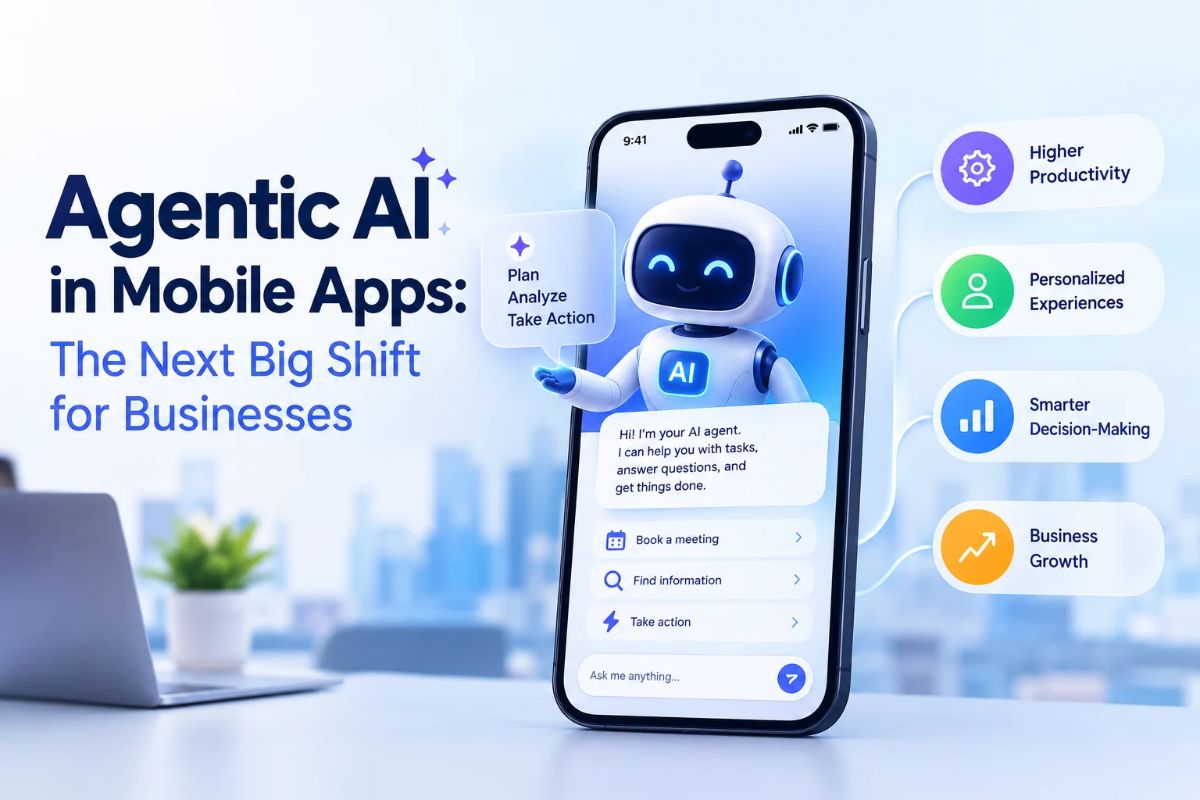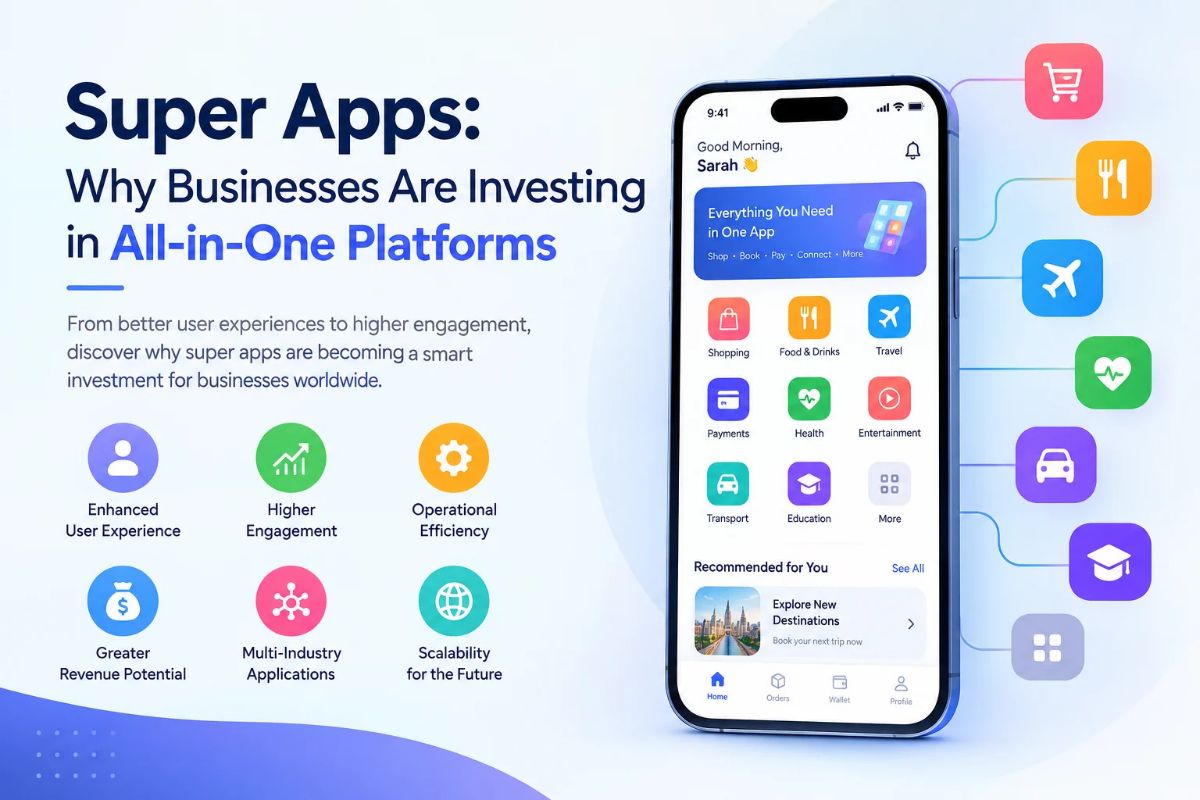
Customer interactions across digital platforms are becoming faster and increasingly driven by automation. As businesses adapt to rising expectations for instant responses, chatbots have evolved from basic scripted tools to intelligent systems powered by advancements in AI and natural language processing. This shift reflects a broader movement toward scalable communication that balances efficiency with user satisfaction. At the same time, concerns around accuracy, human touch, and implementation costs continue to influence adoption decisions. These contrasting factors create a critical need to evaluate their real impact. This blog explores whether chatbots truly deliver value for businesses in 2026 and how they fit into modern customer engagement strategies.
Why Businesses Are Rapidly Adopting Chatbots?
The increasing adoption of chatbots is driven by multiple operational challenges that demand faster, more scalable solutions. Each of the following factors highlights a specific need where automation creates a measurable impact.
Increasing Demand for Instant Communication
The need for faster responses is one of the most immediate challenges businesses face across digital platforms. As response time becomes a deciding factor in user satisfaction, businesses are under pressure to reduce delays across support channels. Modern users expect immediate assistance, regardless of time or location. Chatbots address this gap by offering round-the-clock availability.
Cost Efficiency and Resource Optimization
Beyond speed, businesses must also control operational costs while maintaining service quality. Managing large support teams can be expensive and difficult to scale. Chatbots reduce this burden by automating repetitive interactions, allowing human agents to focus on more complex responsibilities.
Scalability Across Growing User Bases
As businesses expand, the volume of customer interactions grows rapidly, creating new challenges in handling demand efficiently. Chatbots provide the flexibility to manage thousands of conversations simultaneously, ensuring that growth does not impact response quality.
Consistency in Communication
While scaling operations, maintaining consistency becomes equally important for building trust. Human responses may vary due to multiple factors, but chatbots ensure uniform communication across all customer touchpoints, strengthening reliability.
Key Features That Define Chatbots
The effectiveness of modern chatbots depends on the advanced capabilities that enable them to deliver smarter interactions. These features collectively enhance how businesses communicate and operate.
Context-Aware Conversations
A major improvement in chatbot technology lies in its ability to understand context rather than relying on isolated inputs. Modern chatbots analyze user intent, past interactions, and behavior to deliver more relevant and accurate responses.
Multilingual Capabilities
As businesses reach global audiences, communication must adapt to diverse language preferences. Chatbots now support multiple languages, enabling seamless interaction across different regions without communication barriers.
Integration with Business Systems
To move beyond basic communication, chatbots are now integrated into core business systems. This allows them to perform tasks such as processing orders, updating records, and retrieving real-time data.
Voice and Omnichannel Support
In addition to text-based interactions, users now expect flexibility in how they communicate. Chatbots support voice commands and operate across multiple platforms, creating a unified and accessible experience.
Benefits of Chatbots for Businesses
The advantages of chatbots extend across both customer-facing and internal operations. These benefits demonstrate how automation contributes to overall business efficiency and growth.
Enhanced Customer Experience
Improving customer experience is one of the primary outcomes of chatbot implementation. Faster responses and personalized interactions help reduce wait times and increase satisfaction.
Increased Conversion Rates
As customer experience improves, it directly influences purchasing decisions. Chatbots guide users through the buying process, reducing friction and encouraging quicker conversions.
Data Collection and Insights
Every interaction provides valuable information that can shape business strategies. Chatbots collect and analyze data to identify trends, preferences, and user behavior patterns.
Improved Employee Productivity
While enhancing customer interactions, chatbots also optimize internal workflows. By handling routine queries, they allow employees to focus on tasks that require critical thinking and creativity.
Challenges Businesses Must Consider
Despite their advantages, chatbots come with certain limitations that must be addressed for effective implementation. Recognizing these challenges helps businesses avoid potential gaps.
Limited Emotional Intelligence
One of the key limitations lies in the inability to fully replicate human empathy. Complex or sensitive situations often require human involvement to ensure proper handling.
Implementation Complexity
Deploying a chatbot involves technical planning and integration with existing systems. Without proper execution, businesses may face inefficiencies and poor user experiences.
Data Privacy Concerns
As chatbots handle user information, maintaining data security becomes critical. Businesses must ensure compliance with regulations to protect user trust.
Dependency on Quality Data
The performance of chatbots depends heavily on the quality of data they are trained on. Poor data can lead to inaccurate or irrelevant responses.
Best Practices for Implementing Chatbots
To maximize their effectiveness, businesses must follow structured approaches that align technology with user expectations. These practices ensure better performance and long-term success.
Define Clear Objectives
A well-defined purpose provides direction for chatbot implementation. Businesses must identify whether the focus is on sales or engagement.
Focus on User Experience
Designing intuitive interactions ensures that users can easily navigate conversations and receive relevant responses.
Continuous Learning and Improvement
Regular updates based on feedback help improve chatbot accuracy and adaptability over time.
Maintain Human Backup
Providing access to human support ensures that complex issues are resolved effectively without disrupting user experience.
Future Trends Shaping Chatbots
Ongoing advancements in technology continue to redefine chatbot capabilities and their role in business operations. These trends highlight the direction in which chatbots are evolving.
AI-Driven Personalization
Future chatbots will deliver highly personalized interactions based on user behavior and preferences.
Emotional Intelligence Integration
Improvements in AI are expected to enhance the ability of chatbots to respond to emotional cues.
Deeper Business Integration
Chatbots will become more embedded within internal systems, supporting decision-making and operational processes.
Enhanced Security Measures
With increased usage, stronger security frameworks will be essential to protect sensitive user data.
How Chatbots Impact Customer Engagement Strategies
Chatbots are reshaping how businesses interact with their audience across digital platforms. Their influence extends beyond communication into the overall user experience.
They enable real-time engagement, reduce friction in user journeys, and create more interactive touchpoints. This helps businesses build stronger relationships with their customers.
At the same time, combining chatbot efficiency with human interaction creates a more balanced and effective engagement strategy.
Measuring the Success of Chatbots
Evaluating chatbot performance requires consistent tracking of relevant metrics. This ensures that businesses can measure impact and identify areas for improvement.
Key Performance Indicators (KPIs)
Metrics such as response time, resolution rate, and customer satisfaction provide insights into chatbot effectiveness.
User Feedback Analysis
Analyzing feedback helps businesses understand user expectations and improve chatbot interactions.
Continuous Optimization
Regular updates ensure that chatbots remain relevant and effective in changing environments.
Common Mistakes Businesses Should Avoid
Certain implementation gaps can reduce the effectiveness of chatbots if not addressed properly. Avoiding these mistakes helps businesses achieve better results.
Over-Automation
Excessive reliance on chatbots can negatively impact user experience in complex scenarios.
Ignoring User Intent
Failing to understand user needs leads to irrelevant responses and reduced engagement.
Lack of Testing
Insufficient testing can result in errors and inconsistent performance.
Neglecting Updates
Without regular updates, chatbots fail to meet evolving user expectations.
Conclusion
Chatbots have moved beyond being experimental tools and now play a defined role in how businesses manage communication at scale. Their ability to handle continuous interactions, reduce response gaps, and support decision-making makes them a practical addition rather than a temporary trend. At the same time, their limitations highlight the importance of using them with clear intent instead of relying on automation alone.
The real value lies in how well chatbots are aligned with business goals and user expectations. When implemented thoughtfully, they create smoother experiences without removing the human element that customers still rely on. For businesses looking to build that balance, Devherds offers chatbot solutions designed to fit real operational needs while keeping user experience at the center. Get in touch with us and start improving how your business connects with customers.